
How Digital Signage Display Screens Can Elevate Your Brand at Events and in the Office
Discover how digital signage display screens boost brand visibility for Australian businesses, marketing teams, and sports clubs at events and beyond.

Written by
Sawyer Abara
Corporate Gifts
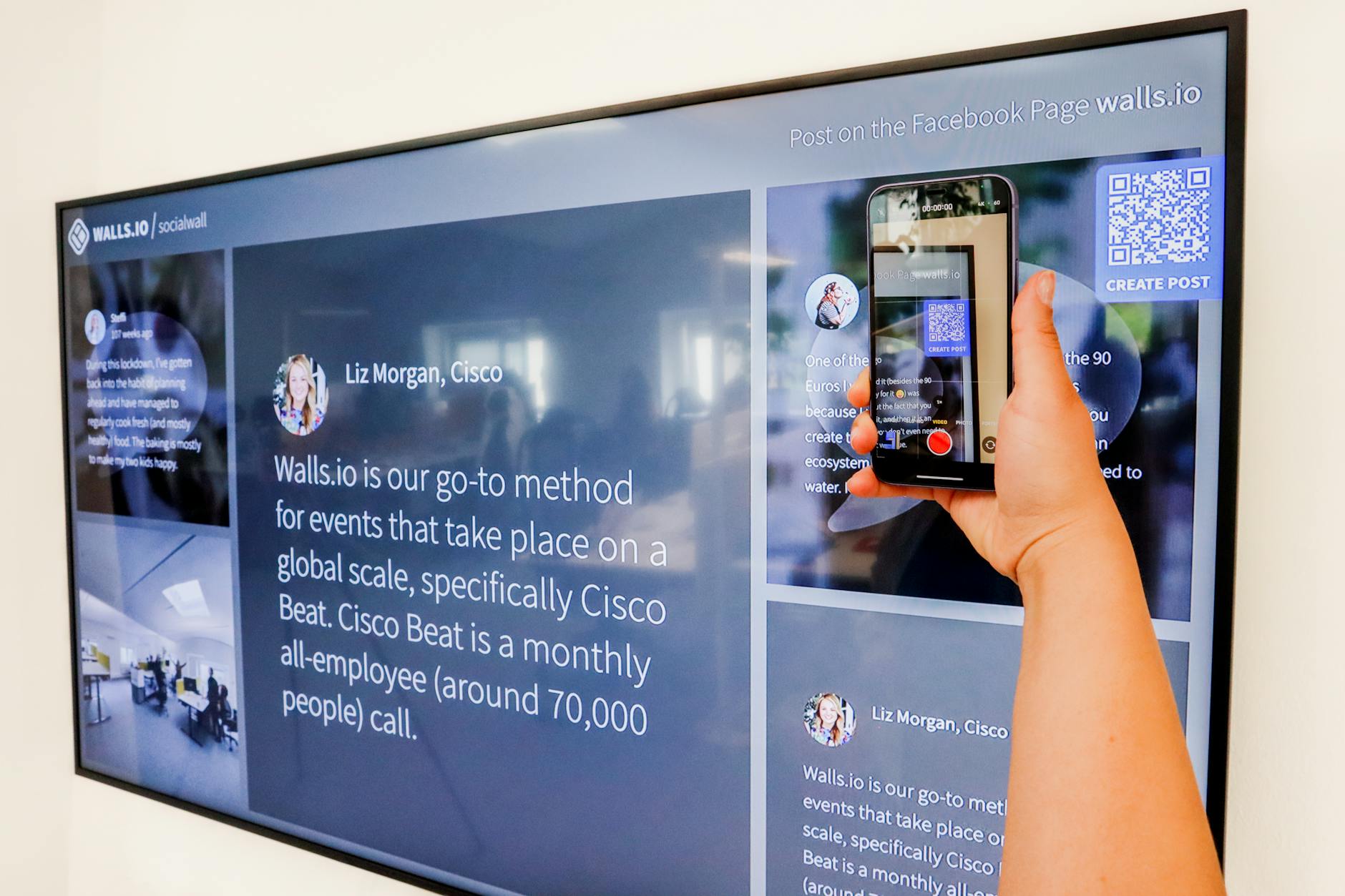
If you’ve walked through a busy trade show floor in Melbourne, waited in the lobby of a Sydney corporate office, or watched a pre-game warm-up at a Brisbane stadium recently, you’ve almost certainly been stopped in your tracks by a striking digital signage display screen. These dynamic, eye-catching displays have become one of the most powerful tools in a modern brand’s arsenal — and for good reason. Whether you’re a marketing manager looking to make a splash at your next conference, a sports club wanting to professionalise your match-day experience, or a business trying to create a more engaging workplace, digital signage screens offer a flexibility and visual impact that static printed materials simply can’t match. But how do you use them strategically alongside your broader branded merchandise mix? That’s exactly what this guide covers.
What Are Digital Signage Display Screens and Why Do They Matter?
Digital signage display screens are electronic screens — ranging from compact 32-inch displays to massive LED video walls — used to present dynamic visual content including branded imagery, video, announcements, schedules, promotions, and social media feeds. Unlike traditional printed banners or posters, they can be updated remotely, programmed to cycle through content, and tailored to specific audiences or times of day.
For Australian businesses and organisations, the appeal is clear. In a crowded marketplace where attention spans are short, motion and light naturally draw the eye. A well-placed digital screen displaying your brand’s colours, logo, and key messages can communicate your identity within seconds — long before a visitor picks up a brochure or speaks to a staff member.
How They Differ From Traditional Signage
Traditional printed signage — pull-up banners, foam boards, fabric backdrops — still plays an important role in any promotional strategy. But they’re static. Once printed, your message is locked in. Digital screens remove that limitation entirely. You can display multiple messages across a single screen, update content in real time, and even tailor messaging based on the context (for example, switching from a sponsor carousel to live game stats at a sporting event).
This adaptability makes digital signage display screens a smart long-term investment, particularly for organisations that run recurring events, operate physical retail or office spaces, or want to streamline their promotional workflow.
Key Use Cases for Australian Businesses, Marketing Teams, and Sports Clubs
Understanding where and how digital signage works best is the key to getting real return on your investment. Here are the most common scenarios where Australian organisations are putting these screens to excellent use.
Corporate Offices and Reception Areas
First impressions count. When clients walk into your Adelaide or Perth office, the reception area sets the tone for your entire brand relationship. A digital display showing your company’s values, recent project highlights, client testimonials, or a live social feed immediately communicates professionalism and modernity.
Many corporate marketing teams are pairing their digital screens with a broader suite of promotional products for corporate settings — think branded keep cups on the reception desk, custom notebooks in the meeting rooms, and logoed pens alongside visitor sign-in forms. The combination of digital and physical branded touchpoints creates a cohesive, memorable brand environment.
Trade Shows, Expos, and Conferences
Trade shows are brutally competitive environments. You might be one of 150 exhibitors at a Gold Coast expo, all competing for the same pool of attendees. A digital signage display screen at your booth gives you an enormous advantage — looping product videos, animated brand graphics, and dynamic call-to-actions are far more compelling than a static backdrop.
The most effective trade show setups combine digital screens with well-chosen promotional materials that attendees can take away. Your screen draws them in; your branded merchandise keeps you top of mind long after the event ends. Think about what you’re handing out — cool merchandise ideas like branded tech accessories, quality tote bags, or reusable drinkware work particularly well in this context.
Sports Clubs and Stadiums
From grassroots football clubs in regional Victoria to professional teams at major Perth stadiums, digital signage is transforming the match-day experience. Clubs are using screens to display live scores, player profiles, upcoming fixture lists, sponsor messages, and social media shout-outs — all on rotating digital displays positioned around grounds, in clubhouses, or at entry points.
For sports clubs focused on increased brand awareness within their local community, pairing digital screens with branded club merchandise — custom jerseys, caps, and supporter gear — creates a powerful dual strategy. The screen builds awareness in-venue; the merchandise extends that brand into everyday life.
Retail and Hospitality Environments
Cafes, restaurants, hotels, and retail stores across Hobart, Darwin, and Canberra are using in-venue digital signage to upsell products, promote seasonal specials, and build brand personality. Unlike printed menu boards, digital displays can be updated instantly when a product sells out or a special needs to be added.
Internal Communications and Employee Engagement
Digital signage isn’t just customer-facing. Many larger Australian organisations are deploying screens in staff break rooms, warehouses, and open-plan offices to display key metrics, safety reminders, team achievements, and HR announcements. This keeps employees engaged and informed without relying solely on email communication.
Pairing Digital Signage with Branded Merchandise: A Winning Combination
Here’s where the real magic happens. Digital signage display screens are powerful on their own, but they become exponentially more effective when integrated into a broader branded merchandise strategy.
Think of it this way: your digital screen creates a moment of engagement. But that moment is fleeting. Branded merchandise creates a lasting physical connection with your brand that persists long after someone leaves your event, office, or store.
A Melbourne marketing team running a product launch, for instance, might use a digital screen to create an immersive brand experience on the night, while distributing logo merchandise — premium tote bags, custom notebooks, or branded water bottles — as takeaway gifts. Every time a recipient uses that water bottle at the gym or the notebook at their desk, they’re re-engaging with your brand.
Similarly, for a Sydney business running a staff awards night, a digital display showing team photos and nominee profiles creates a memorable atmosphere, while thoughtful employee gifts sent home with team members reinforce that sense of recognition and appreciation.
When planning a campaign or event, it’s worth thinking about the full journey — how does your digital signage create the experience, and what promotional gifts carry that experience forward?
Practical Tips for Getting Started with Digital Signage
If you’re new to digital signage display screens, the process can feel overwhelming. Here are some practical considerations to help you approach it with confidence.
Define Your Content Strategy First
Before buying or hiring any screen, get clear on what you’ll actually display. Will it loop a brand video? Show social media content? Display schedules or announcements? Your content plan will influence the screen size, resolution, and software you need.
Choose the Right Screen Size for Your Space
A 40-inch screen might look impressive in your living room but get completely lost at a large trade show booth. Conversely, a massive video wall might overwhelm a small boutique retail environment. As a rough guide, consider that screens in high-traffic areas with distant viewing angles need to be significantly larger than those intended for close-up interaction.
Consider Hiring vs. Buying
For businesses that only need screens for occasional events, hiring is often more cost-effective than purchasing. Many AV hire companies across Australian capital cities offer short-term digital signage packages. If you’re running regular events or have a permanent installation space, buying makes more financial sense over the long term.
Software and Content Management
Most digital signage systems run through a content management platform — either cloud-based or locally installed. Look for systems that allow easy content scheduling, support for multiple media formats (video, images, web feeds), and remote management capability.
Align Your Signage with Your Broader Brand Identity
Your digital screens should use the same colour palette, typography, and imagery as your broader brand. This seems obvious, but it’s often overlooked in the rush to get a screen up and running. Consistent branding across every touchpoint — digital and physical — is what creates real brand recognition. Check out our guide to easy promotional strategies for more ideas on building a cohesive brand presence without blowing the budget.
Integrating Digital Screens into Your Overall Promotional Strategy
The most sophisticated Australian marketing teams and organisations treat digital signage as one element within a holistic promotional strategy — not a standalone solution. Whether you’re planning a corporate event, a school fete, a product launch, or a trade show presence, ask yourself how your digital displays interact with everything else in your promotional toolkit.
For corporate gift-giving seasons, digital screens in office environments can showcase your gratitude messaging alongside physical corporate gifts distributed to staff or clients. For sporting clubs, screens at training grounds and club rooms can promote upcoming events alongside branded club merchandise sold at the canteen.
If you’re looking for broader inspiration on building a memorable branded experience that combines digital and physical elements, our collection of promotional product ideas is a great starting point. You might also find our overview of corporate promotional products useful when planning a more formal brand activation.
Conclusion: Key Takeaways
Digital signage display screens are no longer the exclusive domain of large corporations with unlimited marketing budgets. Accessible, scalable, and incredibly versatile, they’re now within reach for businesses of all sizes, sports clubs at every level, and marketing teams working with realistic budgets across Australia.
Here are the key things to remember:
- Digital signage complements physical merchandise — screens create moments of engagement, while branded products create lasting connections. Use both together for maximum impact.
- Define your content strategy before investing in hardware — knowing what you’ll display will help you choose the right screen size, format, and software platform.
- Consider hiring screens for one-off events and purchasing for permanent or recurring installations to manage costs effectively.
- Consistency is everything — your digital screens should align visually with your broader brand identity, including any physical logo merchandise or promotional materials you’re distributing.
- Think about the full customer journey — from the moment someone sees your digital screen to the moment they use your branded merchandise at home or in the office, every touchpoint is an opportunity to reinforce your brand.
With the right strategy and a smart integration of digital and physical branding tools, your organisation can create truly memorable experiences that leave a lasting impression.