
The Complete Guide to Branded Business Merchandise for Australian Organisations
Discover how to choose, order, and budget for branded business merchandise that builds brand recognition and delivers real ROI for your organisation.

Written by
Sawyer Abara
Corporate Gifts
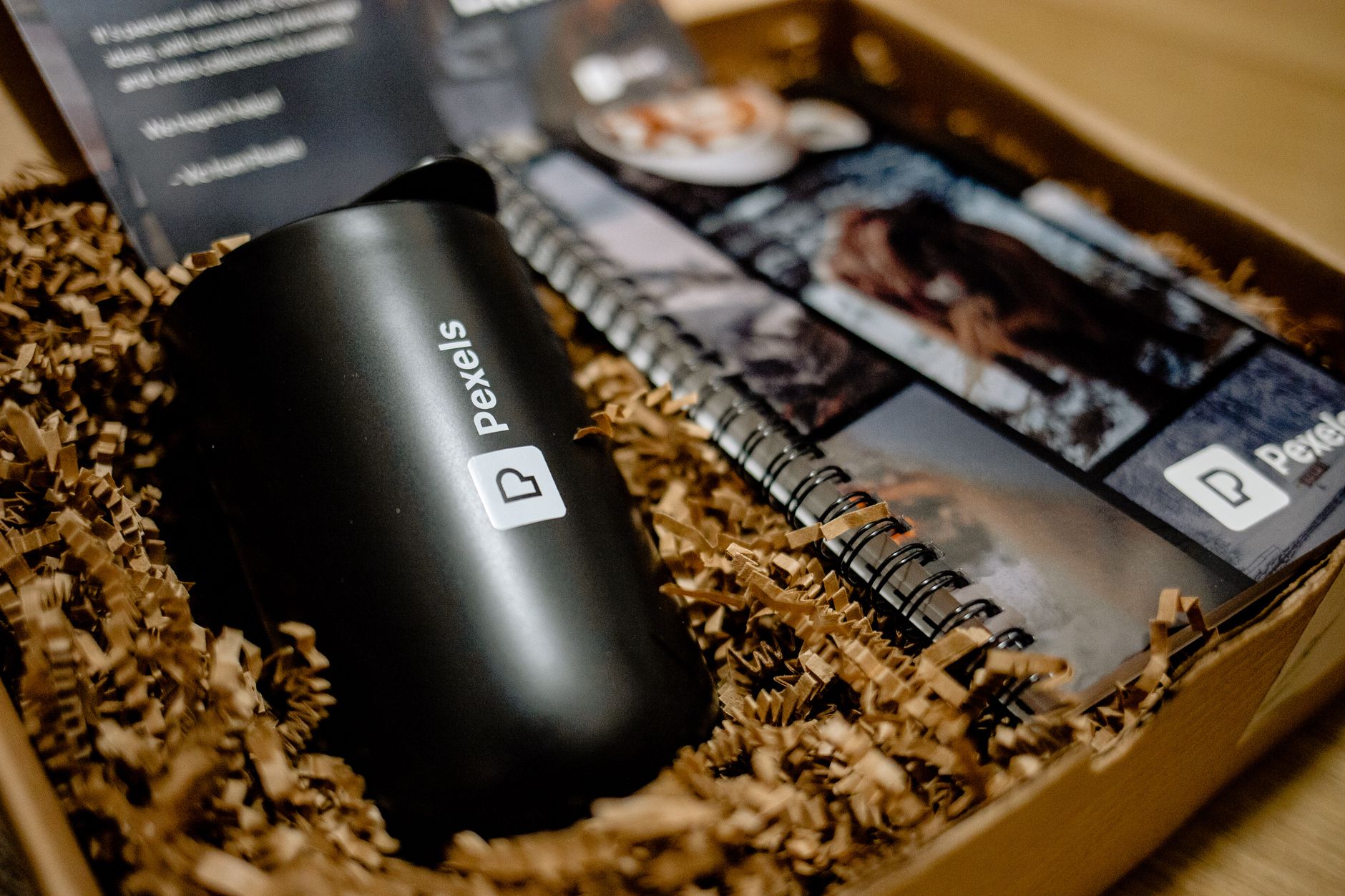
Every Australian business, from a boutique marketing agency in Melbourne to a growing construction firm in Perth, reaches a point where they need to think seriously about branded business merchandise. Whether you’re kitting out your team for a trade show, rewarding loyal clients with thoughtful gifts, or building a cohesive brand presence across your office, the right promotional products can do far more than simply put your logo on something. Done well, branded merchandise creates genuine connections, reinforces brand values, and keeps your organisation top of mind long after a handshake or business card exchange. But with so many product categories, decoration methods, and suppliers to navigate, where do you actually start?
This guide is designed to help Australian marketing teams, business owners, and sports clubs cut through the noise and make smart, strategic decisions about branded merchandise.
What Is Branded Business Merchandise and Why Does It Matter?
At its core, branded business merchandise refers to any physical product that carries your organisation’s logo, name, tagline, or brand colours. This spans an enormous range of items — from custom polo shirts and embroidered caps to engraved metal pens, bamboo drinkware, and printed tote bags.
The marketing case for branded products is compelling. Research consistently shows that promotional merchandise delivers one of the highest returns on investment of any marketing channel, largely because it’s tangible, useful, and long-lasting. A quality branded water bottle sitting on someone’s desk is a daily brand impression — sometimes for years. Unlike a digital ad that disappears in seconds, a well-chosen piece of merchandise sticks around.
For Australian businesses specifically, branded merch also plays a cultural role. Corporate gift-giving, team uniforms, and client welcome packs are established business practices across sectors like real estate, professional services, healthcare, and government. Getting it right matters — both for brand perception and for how your team and clients feel when they receive something thoughtful.
The Three Core Goals of Branded Merchandise
Before diving into product selection, it helps to clarify what you actually want your merchandise to achieve. Most organisations have one or more of these goals:
- Brand awareness — getting your logo in front of new and existing audiences
- Employee engagement — building team culture and pride through quality branded gear
- Client retention — reinforcing relationships with thoughtful, premium corporate gifts
Each goal points toward different product categories, price points, and decoration methods, which is why strategy should always come before shopping.
Choosing the Right Products for Your Branded Business Merchandise Strategy
One of the most common mistakes organisations make is defaulting to the cheapest option available rather than selecting products that align with their brand positioning and the needs of their recipients. A Sydney-based financial services firm gifting low-quality plastic pens is sending a very different signal to clients than one that opts for premium leather-bound notebooks with debossed branding.
Here’s how to think through product selection strategically.
Match Products to Your Audience
The most effective branded merchandise is useful to the person receiving it. If you’re a Brisbane technology company sending welcome packs to new clients, custom USB drives, wireless chargers, or branded laptop sleeves make intuitive sense. A Gold Coast sports club outfitting players and supporters, on the other hand, might focus on performance tees, training singlets, and custom caps.
Ask yourself: What does my audience actually do? What would they use every day? Products that get regular use generate far more impressions per dollar spent than novelty items that end up in a drawer.
Consider Your Brand Positioning
Premium brands should invest in premium products. If your Adelaide professional services firm charges significant fees for your expertise, your branded merchandise should reflect that quality. Think laser-engraved stainless steel travel mugs, quality embroidered fleece jackets, or custom gift sets in bespoke packaging. Our guide to premium corporate gift ideas for Australian businesses covers this in more detail if you’re sourcing high-end pieces.
Conversely, a community-focused not-for-profit or sporting club might prioritise value and volume — sourcing brightly printed tote bags, entry-level caps, or printed lanyards that stretch a modest budget across many recipients.
Think About Decoration Methods
The way your branding is applied to a product affects both its appearance and its longevity. Here’s a quick overview of the most common methods:
- Embroidery — ideal for caps, polo shirts, and jackets; gives a premium, durable finish
- Screen printing — cost-effective for bulk orders of t-shirts and bags; excellent for bold, simple designs
- Laser engraving — perfect for metal and wooden items like pens, drinkware, and awards; creates a sophisticated, permanent mark
- Pad printing — suited to smaller promotional items like pens, USB drives, and keyrings
- Sublimation — produces full-colour, all-over prints on polyester apparel and drinkware
- Digital printing — great for short runs with complex, photographic artwork
Understanding the right decoration method for each product is crucial. Our guide to screen printing vs embroidery breaks down the key differences to help you choose wisely.
Budgeting for Branded Business Merchandise
Budget planning is where many organisations come unstuck. Branded merchandise involves several cost components beyond the unit price, and failing to account for them can blow your budget before the products even arrive.
Understanding the True Cost of Branded Merch
Here are the key cost components to factor in:
Setup fees — Most decoration methods involve a one-time setup cost per colour or embroidery position. These typically range from $40 to $150 per colour depending on the method and supplier. Setup fees are often waived or discounted on repeat orders.
Minimum order quantities (MOQs) — Most promotional product suppliers have MOQs, commonly starting at 25–50 units for apparel and 50–100 units for smaller items like pens or badges. Ordering above the MOQ usually triggers bulk pricing tiers, reducing your per-unit cost significantly.
Artwork preparation — If your logo isn’t in the right format (typically vector files like .ai or .eps), you may need to pay for artwork conversion or redrawing. Our artwork preparation guide for promotional products explains what files you’ll need and how to get them ready.
Delivery and freight — For large or heavy orders, freight from suppliers (often based in Sydney, Melbourne, or Brisbane) can be a meaningful cost. Factor this in early, especially for orders going to regional areas like Darwin or Hobart.
Samples — Ordering pre-production samples before committing to a bulk run is always advisable for significant orders. Samples typically cost between $30 and $80 per item and can save thousands if an issue is caught early.
Getting the Best Value from Your Merchandise Budget
To maximise value, plan ahead. Rush orders — those with turnarounds under five business days — almost always incur express surcharges. Standard production times typically run seven to fifteen business days depending on the product and quantity. If you’re ordering for a specific event like a conference, product launch, or sporting season kick-off, allow at least four to six weeks from artwork sign-off to delivery.
Ordering in larger quantities also dramatically reduces your per-unit cost. If you know you’ll need a product over a twelve-month period, consider ordering the full year’s volume upfront. Our bulk ordering guide for promotional products walks through exactly how to leverage volume pricing to your advantage.
Popular Categories of Branded Business Merchandise in Australia
To give you a practical sense of what’s available and where each category shines, here’s an overview of the most popular options for Australian organisations.
Custom Apparel
Branded clothing remains one of the most powerful forms of business merchandise. From embroidered polo shirts for a Canberra government department to screen-printed hoodies for a Melbourne startup team, apparel turns your people into brand ambassadors. For sports clubs, custom jerseys, training gear, and supporter merchandise are core to building identity. Learn more in our guide to custom branded apparel for Australian businesses.
Branded Drinkware
Keep cups, stainless steel water bottles, and branded mugs are consistently among the best-performing promotional items. They’re used daily, they last for years, and they travel — meaning your brand gets seen in offices, cafes, gyms, and meeting rooms. For organisations with sustainability commitments, reusable drinkware also signals genuine environmental values. Check out our guide to branded drinkware options for a full comparison.
Bags and Totes
Branded bags offer enormous logo real estate and high visibility in everyday use. Canvas tote bags are popular for conferences and retail promotions, while custom backpacks and laptop bags are excellent for corporate welcome packs and executive gifts. Our guide to custom branded bags covers the full range.
Tech Accessories
Power banks, wireless chargers, Bluetooth speakers, and custom USB drives are particularly popular with tech-savvy audiences and as premium corporate gifts. They command attention because they’re genuinely useful — especially for remote-working professionals. Read our overview of branded tech accessories for ideas.
Eco-Friendly Merchandise
Sustainability is no longer a niche concern — it’s a mainstream expectation, particularly among younger consumers and corporate buyers in 2026. Bamboo pens, recycled PET bags, and organic cotton tees allow organisations to align their merchandise with their environmental values. Our guide to eco-friendly promotional products is a great starting point.
Stationery and Office Products
Branded notebooks, pens, lanyards, and desk accessories remain workhorses of the promotional products world. They’re cost-effective, universally useful, and easy to distribute at events. For high-impact gifting, pairing a premium pen with a custom notebook creates a gift set that feels considered and valuable. See our guide to branded stationery products for options.
Managing Your Branded Merchandise Project
Once you’ve selected your products and confirmed your budget, project management becomes critical — especially if you’re coordinating a large order across multiple product types.
Assign one person internally to act as the merchandise coordinator. This person should own the artwork approval process, liaise with the supplier on proofs, manage delivery logistics, and track against your deadline. For organisations that run regular merchandise campaigns throughout the year — such as a Perth real estate agency keeping client gifts stocked year-round — it’s worth establishing a preferred supplier relationship and maintaining a small stock of core items. Our tips for managing a branded merchandise programme offer practical advice for ongoing programmes.
Always review your digital proof carefully before approving production. Check that your logo appears in the correct position, at the correct size, in the correct colours (using PMS colour references where applicable), and that all text is accurate. Once production begins, changes are rarely possible without incurring significant additional cost.
Key Takeaways
Investing in branded business merchandise is one of the most tangible and enduring ways to build your brand in Australia. Here’s what to keep in mind as you plan your next project:
- Start with strategy — define your goals and audience before selecting products; the best merchandise is always chosen with the recipient in mind
- Match product quality to brand positioning — premium brands should invest in premium merchandise; budget choices send a signal too
- Account for all costs — setup fees, freight, samples, and MOQs all affect your true per-unit cost and overall budget
- Plan your timeline — allow at least four to six weeks for a well-managed order; rushed timelines increase costs and risk
- Choose the right decoration method — embroidery, screen printing, laser engraving, and pad printing all have different applications; the right choice affects the look, durability, and cost of your finished product
- Review proofs thoroughly — a careful proof review before production is the single most important step in avoiding costly mistakes
Whether you’re a marketing team in Sydney building a conference merchandise pack, a sports club in Brisbane kitting out a new season, or a Melbourne business investing in client gifts, thoughtful branded business merchandise is always a worthwhile investment — when it’s done right.