The Complete Guide to Conference Merchandise That Delegates Actually Keep
Plan smarter conference merchandise with our expert guide covering product selection, decoration methods, budgets, and ordering tips for Australian events.
Written by
Holly DeLuca
Event Merchandise
Planning a conference is no small feat. Between locking in the venue, coordinating speakers, managing registrations, and building the run sheet, it’s easy to let the merchandise brief slide to the bottom of the to-do list — until suddenly it’s four weeks out and you’re scrambling. Here’s the thing: conference merchandise is far more than a swag bag filler. Done well, it reinforces your brand, creates lasting impressions, and gives delegates something genuinely useful long after the event wraps up. Whether you’re organising a 200-person industry summit in Sydney, a national sales conference in Melbourne, or a regional expo on the Gold Coast, this guide will walk you through everything your team needs to know to get the merchandise right.
Why Conference Merchandise Matters More Than You Think
Most marketing teams invest heavily in keynote production, catering, and digital promotion — but underestimate the power of what delegates take home. Conference merchandise sits at a unique intersection: it’s functional, tangible, and deeply tied to memory. When a delegate pulls out a branded notebook six months after your event, they’re not just using a notebook — they’re being reminded of your brand, your message, and how they felt in that room.
Research consistently shows that branded merchandise generates more recall than almost any other form of advertising. Unlike a social media ad that disappears in seconds, a quality conference bag or keep cup stays in someone’s life for months, sometimes years. That’s passive brand exposure at a fraction of the cost of ongoing digital spend.
The key word there is quality. Low-quality merchandise gets quietly discarded at the hotel room bin. High-quality merchandise travels home, gets used at the office, and sparks conversations. Your product selection strategy should start with that question: will delegates actually keep this?
Choosing the Right Conference Merchandise for Your Audience
Before you order anything, get clear on who’s attending. A tech conference in Brisbane will attract a different crowd to a nursing education summit in Adelaide or a financial services forum in Perth. Tailoring your merchandise to the audience is the difference between a gift that delights and one that collects dust.
Drinkware: The Undisputed Conference Staple
Branded drinkware remains one of the most popular and effective choices for conferences — and for good reason. Delegates carry them around the event all day, which creates walking brand exposure, and most people will continue using them at home or at the office.
Stainless steel drink bottles are a perennial favourite at Australian conferences. They’re practical, premium in feel, and sustainable — ticking boxes for both the recipient and your brand positioning. For more casual or daytime events, a double-wall keep cup is equally well-received, particularly at conferences where delegates are navigating multiple sessions with a coffee in hand.
If you’re unsure which branded drink bottle is the best fit for your audience or budget, our comparison of the best water bottle brands for promotional use can help you make a more informed call. Also worth checking before you order drinkware: what BPA-free actually means and why BPA content matters for health-conscious recipients — particularly relevant if you’re working with a healthcare or wellness-focused audience.
Bags and Totes: Useful From Day One
Conference bags are almost expected at large events, and when chosen well, they’re one of the most appreciated items in the pack. Tote bags and backpacks both work brilliantly as conference merchandise — totes are more economical and suit smaller events, while backpacks or satchels signal a premium experience and are ideal for multi-day conferences with a lot of printed materials.
Think practically: what will delegates actually carry throughout the day? If your program includes printed guides, exhibitor catalogues, and a laptop session, a structured bag with a laptop sleeve makes a lot more sense than a basic tote.
Apparel: When It Works and When It Doesn’t
Branded apparel can be a standout conference merchandise choice — particularly for staff, volunteers, speakers, or smaller curated events where you want attendees to feel part of something. Work polo shirts are a professional choice for staff uniforms at corporate conferences, while a sublimated polo offers full-colour customisation that’s particularly effective for sporting associations or events where visual impact matters.
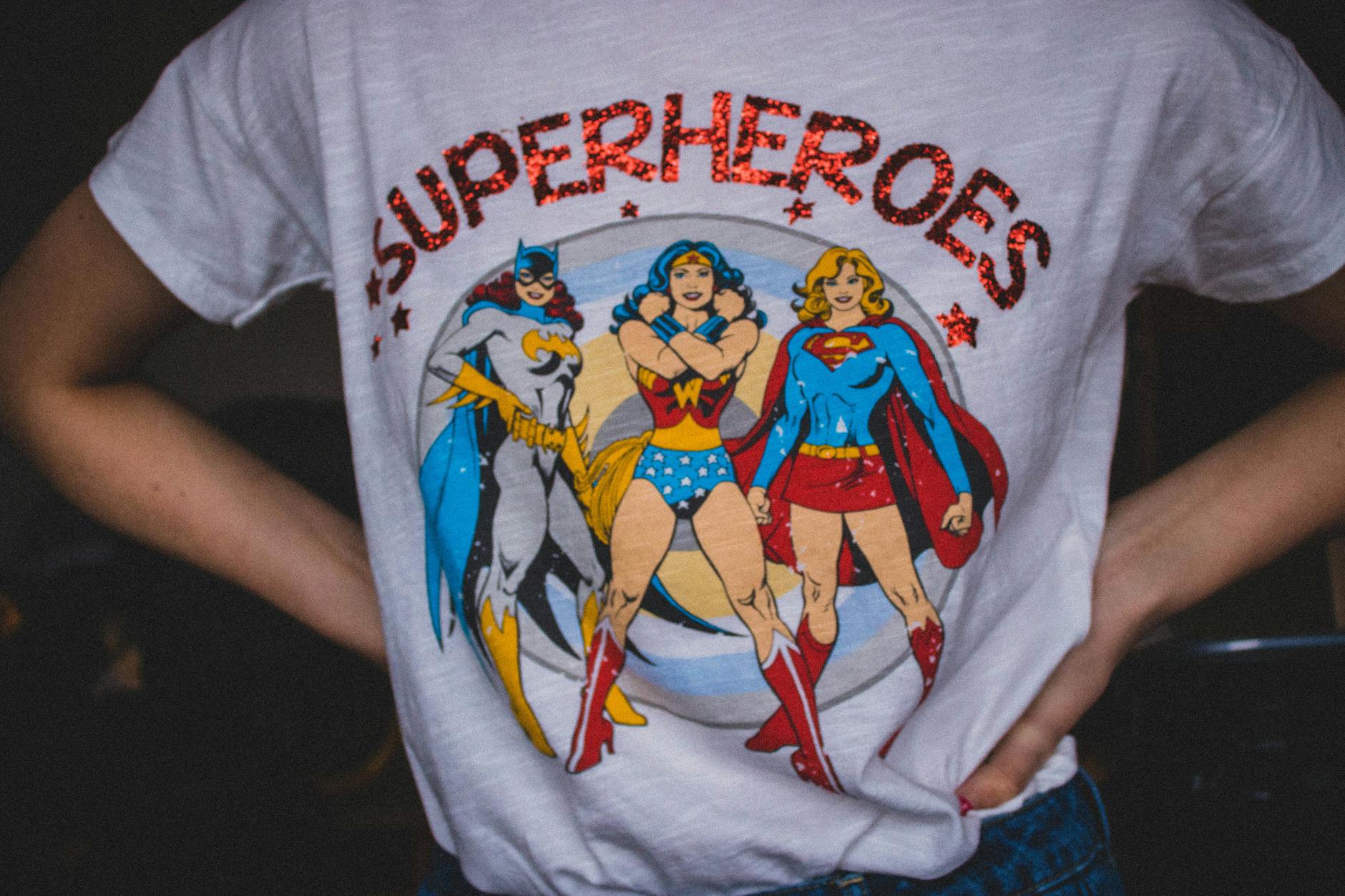
For more casual conferences, branded t-shirts work well — especially for team-building events, offsite retreats, or industry gatherings with a relaxed vibe. The caveat with apparel is sizing. Always collect size data in advance via your registration form, and factor in a buffer for late registrations. Getting sizing wrong is one of the most common (and costly) mistakes event organisers make.
Tech Accessories: High Perceived Value, Compact Delivery
USB drives remain a practical and appreciated choice at conferences, particularly for events where presentations, resources, or product catalogues are being distributed. Promotional USB drives can be pre-loaded with content, making them doubly useful. If you want something a little more memorable, novelty USB flash drives in custom shapes can align with your event theme and leave a lasting impression.
Power banks, branded earbuds, and phone accessories are other high-perceived-value tech items that work well for corporate conference merchandise — though they do carry a higher unit cost, so they’re best reserved for VIP attendees or executive events.
Stationery: The Quiet Achiever
Never underestimate a well-branded notebook and pen combo. It’s simple, universally useful, and one of the first items delegates reach for in a session. Hardcover notebooks with embossed or debossed branding feel premium without necessarily blowing the budget. Pair them with a quality pen rather than a cheap ballpoint, and you’ve given delegates something they’ll genuinely use beyond the event.
Lanyards and name badge holders are also essential conference merchandise — functional from the moment delegates arrive, and one of the most-seen branded items throughout the entire event.
Decoration Methods: What Works for Conference Merchandise
The decoration method you choose depends on the product, the complexity of your artwork, and the quantity you’re ordering.
- Embroidery suits apparel, bags, and caps — it’s durable and communicates quality
- Screen printing is cost-effective at volume and works well on t-shirts and tote bags
- Pad printing is ideal for pens, drink bottles, and smaller hard goods
- Laser engraving creates a premium, permanent finish on metal drinkware and tech accessories
- Sublimation is perfect for full-colour, all-over prints on polyester apparel and lanyards
If you haven’t finalised your artwork yet, it’s worth reading our guide to virtual proofs vs physical samples to understand how to review and approve your decoration before production begins — especially important when you’re working to a tight event deadline.
Budgeting for Conference Merchandise
Budget planning for conference merchandise usually comes down to two levers: per-head spend and total quantity. As a rough guide, most Australian organisations budget anywhere from $10 to $50 per delegate depending on the event tier and the items included.
Here’s a simple tiered framework:
- Budget tier ($10–$20 per person): Tote bag, branded pen, notebook, lanyard
- Mid-range tier ($20–$35 per person): Keep cup or drink bottle, notebook, branded tote or satchel
- Premium tier ($35–$50+ per person): Stainless steel bottle or backpack, tech accessory, notebook, premium pen
Don’t forget to factor in decoration setup fees, freight to the venue, and any packaging or kitting requirements. These costs can add up, particularly for larger events.
Ordering Timeline: Don’t Get Caught Short
This is where most teams come unstuck. Conference merchandise typically requires a lead time of two to four weeks for standard production, and up to six weeks for fully custom or imported products. That’s production time — before you factor in artwork sign-off, sample approval, and delivery.
Aim to have your order confirmed at least six weeks before the event. For major national conferences in cities like Melbourne or Sydney — where logistics and freight can add complexity — eight weeks gives you comfortable breathing room.
Minimum order quantities (MOQs) vary by product. Printed tote bags might have an MOQ of 50 units, while embroidered caps or premium drinkware may start at 25 or 100 units. Always confirm MOQs early so your quantity aligns with your delegate count.
Adding Extra Value With Seasonal and Specialty Items
Depending on your event timing and location, there are some brilliant add-on items worth considering. An outdoor conference on the Gold Coast in February calls for different merchandise than a Melbourne winter summit. Sunscreen with SPF50+ is a highly practical branded item for outdoor or coastal events. Branded umbrellas are a smart inclusion for events held in wetter climates or shoulder-season periods — and winter promotional products like beanies, travel mugs, and fleece can add warmth and real usefulness to cold-weather conference packs.
For events with a fitness or wellness angle, branded gym towels or wristbands can complement the program beautifully and reinforce the event’s identity.
Going Green: Sustainable Conference Merchandise
Sustainability is no longer a nice-to-have for many organisations — it’s a procurement expectation. A Perth council hosting an environment summit, or a Melbourne university running a sustainability forum, simply cannot distribute plastic-heavy merchandise without undermining their own message.
Sustainable promotional products — including items made from recycled materials, organic cotton, or bamboo — are readily available and have improved significantly in quality over recent years. Eco-tote bags, seed paper notepads, bamboo pens, and reusable keep cups all make excellent choices for organisations committed to reducing their environmental footprint.
Also worth knowing: if you’re ordering custom apparel for your conference, understanding the difference between locally produced and offshore printed garments can help you make a more informed decision around cost, lead times, and ethical sourcing. For branded apparel with graphic customisation, our guide to t-shirt graphic decoration covers the key techniques and how to choose between them.
Signage and Supporting Materials
Conference merchandise doesn’t start and end with delegate packs. Signage is an essential part of the branded experience — teardrop banners are a popular and versatile choice for outdoor or foyer branding, and they’re easy to transport and set up across multiple venues or states.
Key Takeaways
Pulling everything together, here are the most important principles to carry into your next conference merchandise brief:
- Start early. Six to eight weeks minimum lead time saves you from costly rush fees and production compromises
- Choose quality over quantity. One great product delegates keep beats three cheap items they discard
- Match merchandise to your audience. Tailor product and decoration choices to who’s in the room and what they value
- Budget holistically. Include setup fees, freight, and kitting costs — not just unit prices — when calculating your per-head spend
- Consider sustainability. Eco-friendly options are increasingly expected and widely available at competitive price points
Conference merchandise done right is a genuine extension of your event experience. With a clear brief, a realistic timeline, and a focus on products that people actually want to use, your next conference can leave delegates with branded items they’ll reach for long after the last keynote has wrapped.