
The Complete Guide to Ordering a Customised T-Shirt for Your Australian Business or Club
Learn how to order the perfect customised t-shirt in Australia — decoration methods, MOQs, budgeting tips, and more for businesses and sports clubs.

Written by
Cleo Wright
Custom Apparel
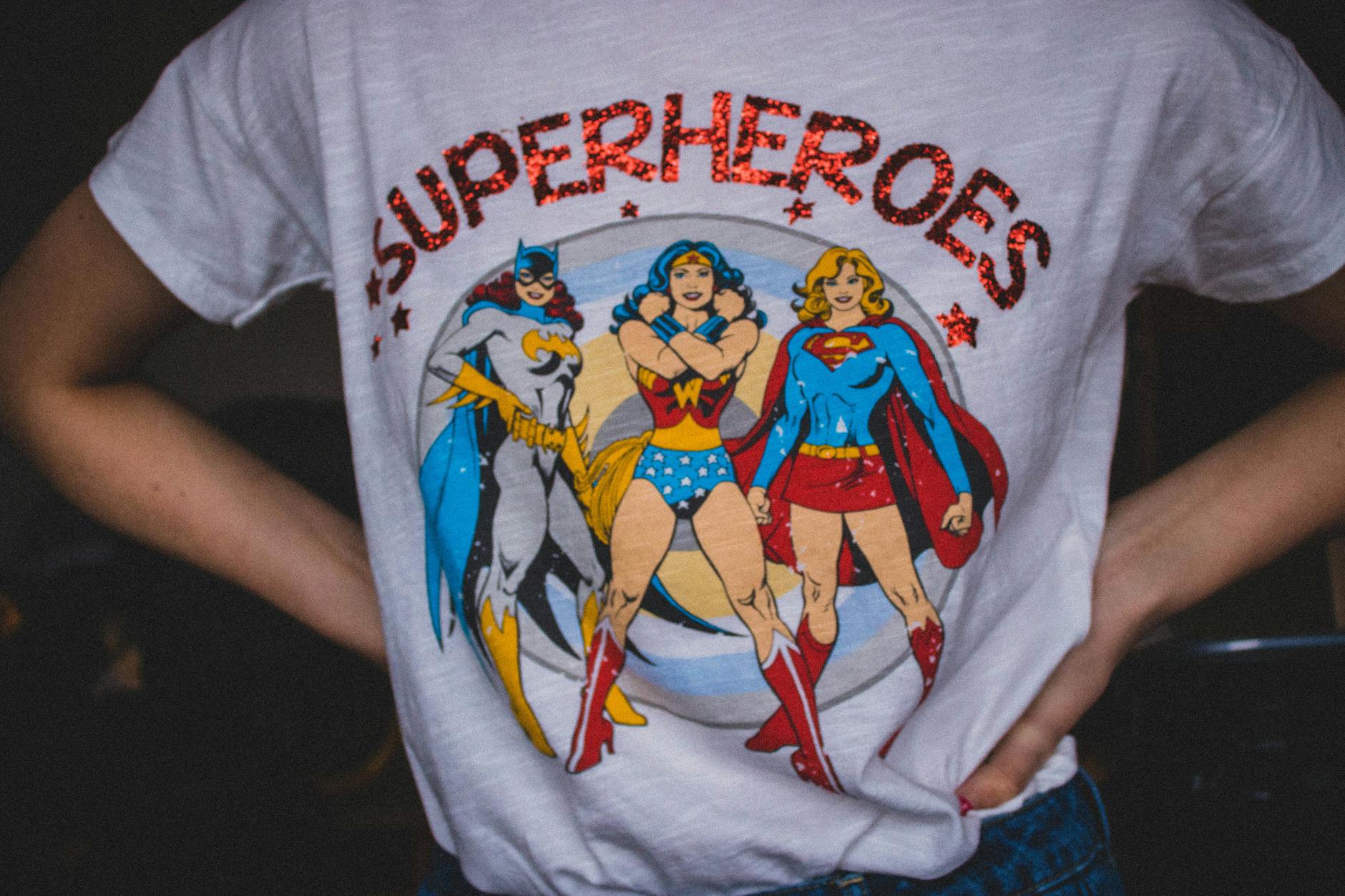
Whether you’re kitting out your footy club for the season, building brand recognition at a trade show, or rewarding your team with something they’ll actually wear, a customised t-shirt remains one of the most effective and versatile promotional tools available. It’s wearable advertising that travels far beyond the original recipient — a walking billboard that works in shopping centres, at the gym, and on public transport. But ordering custom tees in Australia isn’t always as straightforward as it looks, and a few common missteps can cost you time, money, and a truckload of disappointment. This guide walks you through everything you need to know to get it right the first time.
Why the Customised T-Shirt Remains a Promotional Powerhouse
There’s a reason custom t-shirts have remained a staple of branded merchandise for decades. According to multiple promotional product recipient behaviour tracking studies, wearable items are among the most retained and frequently used promotional products on the market. A quality t-shirt gets worn again and again — at the gym, on weekends, around the house — which means your brand gets repeated exposure at zero additional cost.
For Australian businesses, the appeal goes even further. Our climate, with hot summers across Brisbane, Perth, Darwin, and Sydney, means a comfortable, breathable tee is worn year-round. Unlike a branded pen that might sit in a drawer or a USB drive that gets forgotten, a well-made customised t-shirt becomes part of someone’s regular wardrobe.
Sports clubs across Australia — from junior AFL teams in Adelaide to surf lifesaving clubs on the Gold Coast — have long relied on custom tees as a cost-effective uniform solution. Marketing teams love them for conference giveaways, team-building events, and new employee welcome kits. The format is universally understood and universally appreciated.
Choosing the Right T-Shirt Style and Fabric
Before you even think about your logo, you need to nail the product itself. Not all t-shirts are created equal, and the style and fabric you choose will have a major impact on how your final product looks, feels, and lasts.
Fabric Options to Consider
100% Cotton is a classic choice — it’s breathable, comfortable against the skin, and prints exceptionally well with screen printing. The downside is that it can shrink if not pre-shrunk and may not wick moisture as effectively as synthetic options.
Cotton/Polyester Blends offer a good middle ground. They’re softer, more durable, and more resistant to shrinkage. A 65/35 cotton/polyester blend is a popular choice for corporate branded tees because it holds its shape well over time.
Performance Fabrics (100% Polyester or Technical Blends) are ideal for sports clubs and active wear applications. These moisture-wicking fabrics are designed to move with the body and keep wearers cool — perfect for Perth cricket clubs or Brisbane running groups. If you’re exploring performance-focused options, our sports clothes guide has helpful advice on choosing the right fabric for athletic contexts.
Bamboo and Recycled Fabrics are growing in popularity among sustainability-conscious organisations. A Melbourne council sourcing eco-friendly event merchandise, for example, might prioritise a bamboo-cotton blend tee that aligns with their environmental values.
Fit and Cut
Think carefully about who’ll be wearing the shirts. Unisex cuts work well for large orders where sizing varies significantly, but fitted styles (women’s cut, slim fit) often feel more premium and are better received in professional or hospitality settings. For schools and clubs ordering across a range of ages, look for suppliers who can offer children’s and adult sizing from the same style.
Decoration Methods for Customised T-Shirts
The decoration method you choose dramatically affects cost, look, minimum order quantities, and longevity. Here’s a breakdown of the most common options used across Australia.
Screen Printing
Screen printing is the gold standard for customised t-shirts, particularly for bulk orders. It produces vibrant, durable results that withstand hundreds of washes without fading. Each colour in your design requires a separate screen, which means setup costs apply — but these costs spread across large orders, making screen printing extremely cost-effective at volume.
Best for: Orders of 50+ units with a simple 1–4 colour design Typical MOQ: 24–50 units depending on supplier Watch out for: Setup fees per colour (usually $30–$60 per screen), and the fact that photographic or gradient designs don’t translate well
Sublimation Printing
Sublimation printing infuses dye directly into the fabric fibres, producing full-colour, all-over prints with no cracking or peeling. The results can be spectacular — perfect for sports jerseys or bold event merchandise. However, sublimation only works on white or light-coloured, 100% polyester fabrics.
Best for: Sports clubs wanting vibrant, edge-to-edge designs Typical MOQ: As low as 1 unit with some suppliers, but pricing is per-unit Watch out for: Colour accuracy on darker garments and polyester-only limitation
Heat Transfer and DTG (Direct-to-Garment)
Digital printing methods like DTG and heat transfer allow for photographic detail and small-run printing. They’re ideal when you need low quantities — say, a Sydney startup ordering 10 t-shirts for a team event — or when your design uses gradients, photographs, or complex artwork.
Best for: Short runs, complex designs, multiple design variations Typical MOQ: Can be as low as 1 unit Watch out for: Per-unit cost remains high, and durability over many washes can be lower than screen printing
Embroidery
While embroidery is more commonly associated with work polo shirts and corporate uniforms, it can work beautifully on heavier cotton tees for a premium, textured look. It adds a sense of quality and professionalism that other methods can’t replicate.
Best for: Corporate gifts, employee uniforms, premium branded merchandise Typical MOQ: 12–25 units Watch out for: Not suited for highly detailed or very small logos, and can add weight to the garment
Artwork, Colour Matching, and Proof Approval
Getting your artwork right is critical. Poorly prepared files are one of the most common causes of delays and disappointing results. Here’s what you need to know before sending files to your supplier.
- Supply vector artwork (Adobe Illustrator .ai or .eps files) wherever possible — these scale to any size without quality loss
- For screen printing, your design should be supplied in the specific number of colours you want printed — avoid complex gradients
- PMS (Pantone Matching System) colours are used by reputable suppliers to ensure your brand colours are reproduced accurately — always ask for PMS matching if colour accuracy is critical
- Request a proof before production begins — this is non-negotiable for any significant order
Deciding between digital proofs and physical samples is a topic worth exploring in detail. Our post on virtual proofs vs physical samples for promotional products can help you understand when each approach is worth the investment.
Budgeting and Pricing Your Customised T-Shirt Order
Budget is almost always the first question — and it’s a reasonable one. T-shirt pricing in Australia varies widely depending on garment quality, decoration method, quantity, and turnaround time.
As a rough guide:
- Budget range: $8–$15 per unit for a basic 100% cotton tee with one-colour screen print in orders of 100+
- Mid-range: $15–$30 per unit for a quality cotton/poly blend with multi-colour print
- Premium: $30–$60+ per unit for high-quality garments, complex decoration, or low-quantity DTG orders
Setup fees (particularly for screen printing) are separate from per-unit pricing, so factor those in when comparing quotes. If you’re on a tight deadline, same-day dispatch promotional products from our Sydney warehouse can be a lifesaver for urgent orders, though options may be more limited.
Don’t forget to budget for freight — a box of 200 t-shirts isn’t light, and delivery to Darwin or Hobart from an eastern-state supplier will cost more than local delivery.
Practical Tips for a Smooth Ordering Process
Getting the most from your customised t-shirt order comes down to a few key habits.
Order samples early. If you’re ordering large quantities, request a blank or printed sample in your preferred style and size first. Don’t skip this step — fabric feel, sizing accuracy, and print quality can all vary between suppliers.
Size up your order. It’s almost always cheaper per unit to order slightly more than you think you need. Reordering small quantities later is expensive, and you’ll always find you’ve underestimated demand once the shirts are in people’s hands.
Plan for lead times. Standard production turnaround in Australia is typically 10–15 business days from artwork approval. Embroidery and sublimation can take longer. Rush orders are possible but attract a premium — plan ahead wherever possible.
Think about complementary products. A customised t-shirt pairs brilliantly with other branded items for a cohesive event kit. Consider pairing tees with totes and backpacks for conferences, stainless steel drink bottles for sporting events, or promotional sunscreen with SPF50 for outdoor summer events in Queensland or Western Australia. You might even consider shoppers bags as an eco-friendly pairing option.
If you’re putting together a broader merchandise pack for winter events in New South Wales, our guide to winter promotional products in Sydney is worth a read alongside this one.
Common Mistakes to Avoid
Even experienced marketing teams can fall into familiar traps. Watch out for these:
- Choosing the cheapest garment without considering fabric quality — a tee that feels scratchy or falls apart after five washes reflects poorly on your brand
- Ignoring sizing distribution — always provide a realistic size breakdown upfront; running out of XL sizes is a nightmare
- Leaving too little time — six weeks before your event should be considered the minimum safe lead time for a significant order
- Forgetting about colour restrictions — not every design works on every shirt colour; dark designs on dark shirts (or vice versa) can produce muddy results
- Skipping the proof approval process — always, always check your proof before giving the green light
Conclusion: Key Takeaways for Ordering Your Customised T-Shirt
A well-executed customised t-shirt order can deliver outstanding value — for brand awareness, team cohesion, event impact, and staff morale. The key is approaching the process with the right information and enough lead time to make good decisions.
Here are the most important things to remember:
- Choose your fabric and cut based on the end user — performance fabric for sports clubs, cotton blends for corporate gifting, eco-friendly options for sustainability-focused organisations
- Match your decoration method to your order size and design complexity — screen printing for volume, DTG or heat transfer for short runs
- Prepare your artwork correctly and always approve a proof before production begins
- Build in adequate lead time — 6 weeks minimum for large or complex orders
- Think beyond the tee — a customised t-shirt is most impactful when it’s part of a broader, cohesive merchandise strategy
With the right planning, your next customised t-shirt order will be something your team, clients, or members are genuinely proud to wear — and that’s exactly the kind of brand impression that lasts.