How to Use a Clothing Design Website to Create Custom Branded Apparel
Discover how to use a clothing design website to create professional custom apparel for your business, marketing team, or sports club in Australia.
Written by
Cleo Wright
Custom Apparel
Choosing the right clothing design website can feel overwhelming — especially when you’re trying to nail your brand’s look across dozens of garments for a team, event, or promotional campaign. Whether you’re a marketing manager in Sydney putting together uniforms for a product launch, a sports club in Brisbane ordering custom jerseys for the upcoming season, or a small business owner in Perth wanting to make a bold impression at a trade expo, the right online design tool can save you enormous amounts of time, money, and frustration. This guide breaks down everything you need to know about using a clothing design website effectively, so you can walk away with professional results every single time.
What Is a Clothing Design Website and How Does It Work?
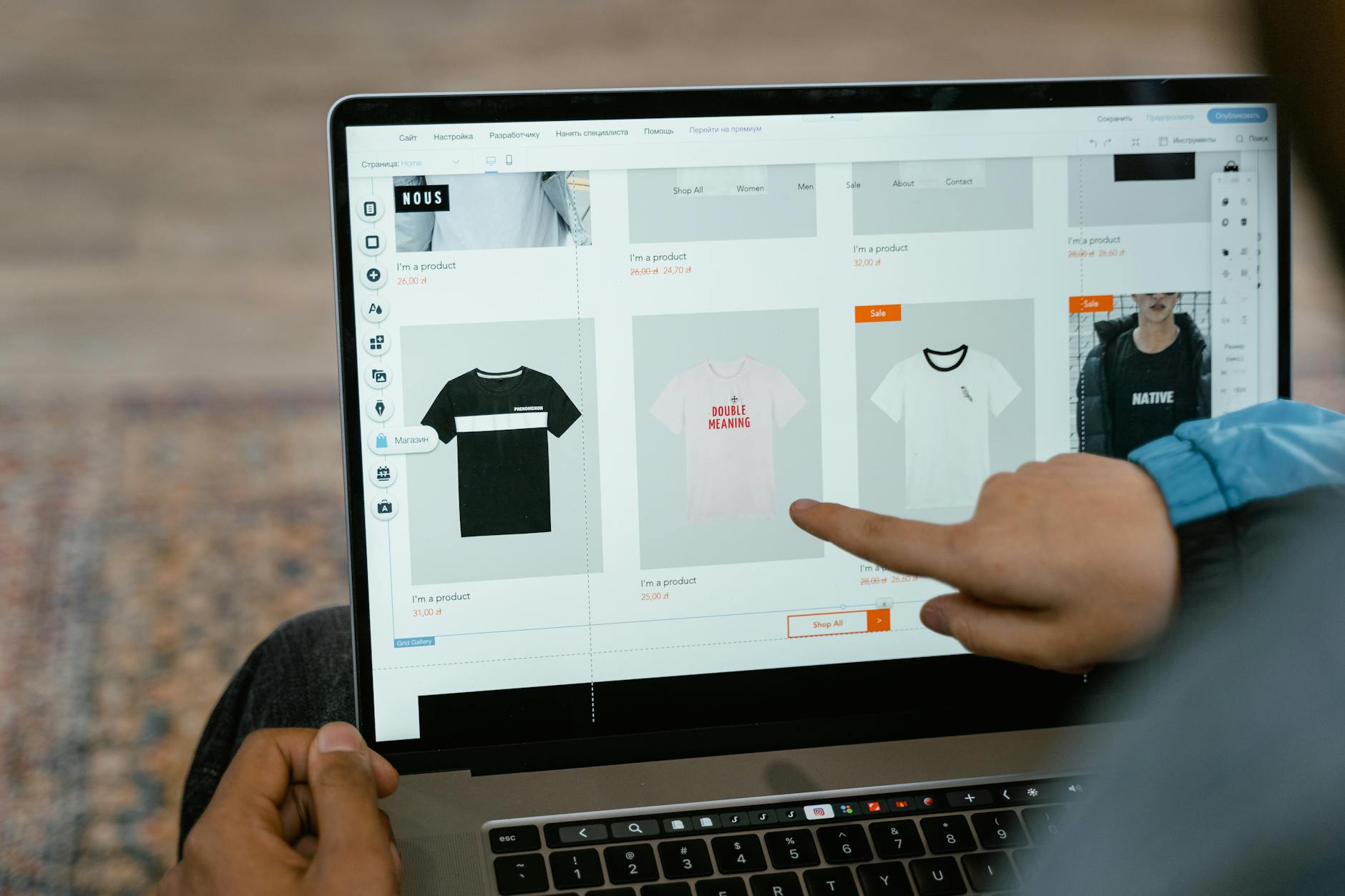
A clothing design website is an online platform that allows individuals and organisations to upload artwork, add text, select colours, choose garment styles, and visualise the final product before placing an order. Most platforms offer a drag-and-drop interface where you can position your logo, choose decoration placements, select print or embroidery methods, and generate a digital proof of your finished product.
For Australian businesses and sports clubs, this kind of tool is invaluable. Rather than emailing back and forth with a supplier for days, you can see a near-accurate mockup of your branded hoodie, polo shirt, or tee in real time. This dramatically shortens the approval process and reduces the chance of costly errors.
Key Features to Look For
Not all clothing design tools are built equally. When evaluating a platform, prioritise these features:
- Realistic product previews — A 3D or high-quality mockup view helps you see how your design will actually look on the garment
- Colour matching tools — Look for platforms that support PMS colour references, which is critical for maintaining brand consistency
- Multiple decoration placements — Chest, back, sleeve, hem — the best tools let you customise all positions
- File upload compatibility — The platform should accept vector files (AI, EPS, PDF) and high-resolution PNGs for clean results
- Transparent pricing — Setup fees, quantity pricing tiers, and decoration method costs should be clearly visible
It’s also worth understanding the difference between digital proofs and physical samples before committing to a full order. Our detailed guide on virtual proofs vs physical samples for promotional products is an excellent resource if you want to understand exactly what each option delivers and when to use them.
Choosing the Right Garment for Your Design
The garment you choose is just as important as the design itself. A great logo placed on the wrong shirt style, fabric, or fit can undermine your entire brand impression.
T-Shirts and Casual Apparel
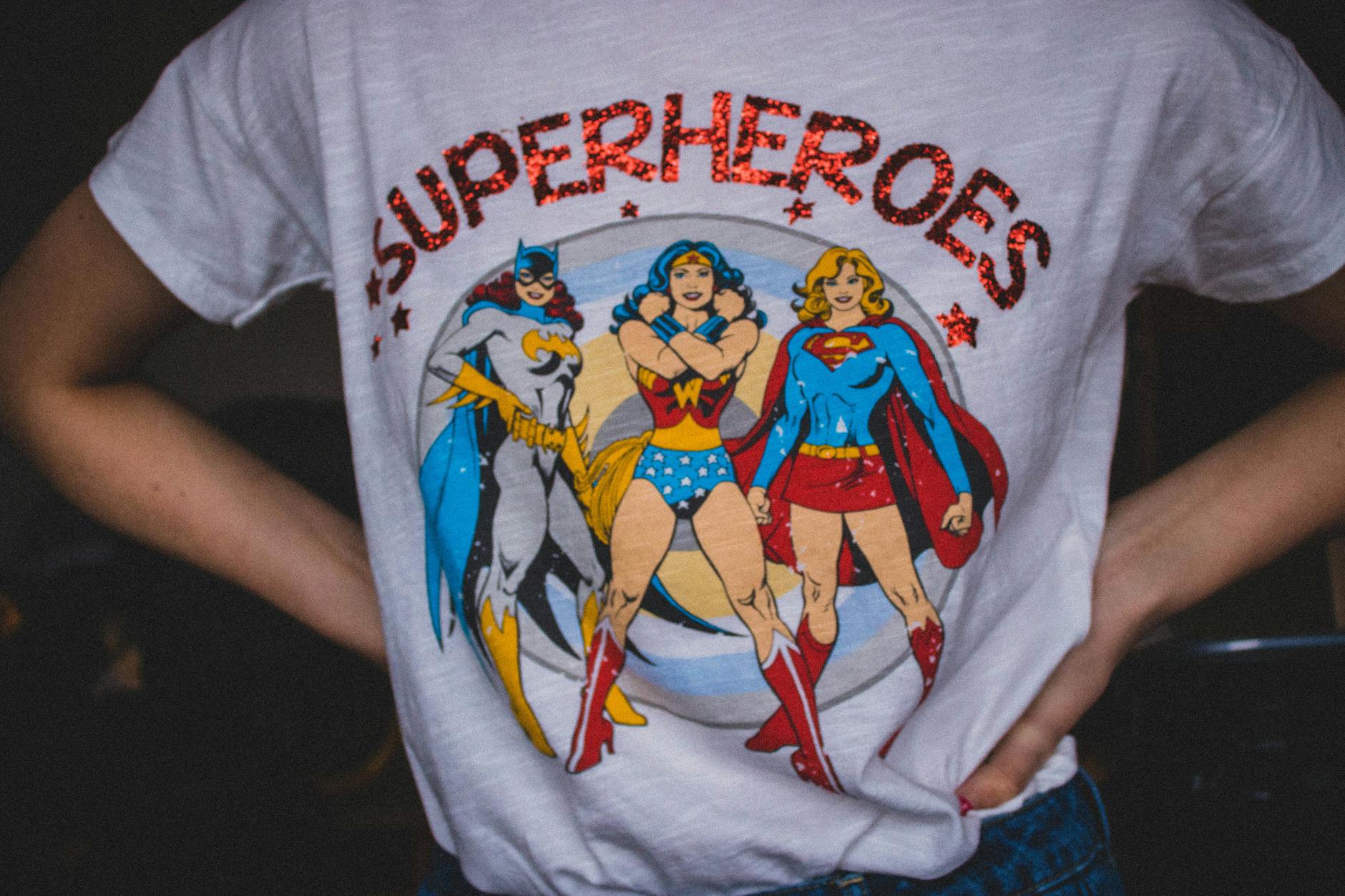
Custom tees remain one of the most popular choices for events, staff uniforms, and promotional giveaways. They’re cost-effective, come in a huge range of colours and cuts, and suit almost every industry. If you’re designing artwork for a tee, our guide to tee shirt graphic design and print options walks through what works well on fabric and what tends to fall apart after a few washes.
One important consideration: where your garments are manufactured matters. Some businesses opt for offshore production to reduce costs. If you’re researching this route, our post on the realities of ordering t-shirts from Bali covers the trade-offs in detail.
Polo Shirts for Corporate and Workwear
Polos are the go-to choice for professional environments — think real estate teams in Melbourne, corporate hospitality staff at Gold Coast events, or tradespeople requiring a polished look on site. Embroidery is the most popular decoration method for polos, as it adds a premium feel that screen printing or heat transfer simply can’t replicate.
For teams that need bold, all-over colour and pattern options, sublimated polo shirts offer incredible versatility. Sublimation locks dye directly into the fabric, meaning designs never crack, peel, or fade — making it ideal for sports clubs and high-visibility brand campaigns.
If you’re sourcing a reliable everyday workwear option, our overview of the best work polo shirts for Australian teams is a great starting point for understanding what to prioritise.
Activewear and Sports Club Apparel
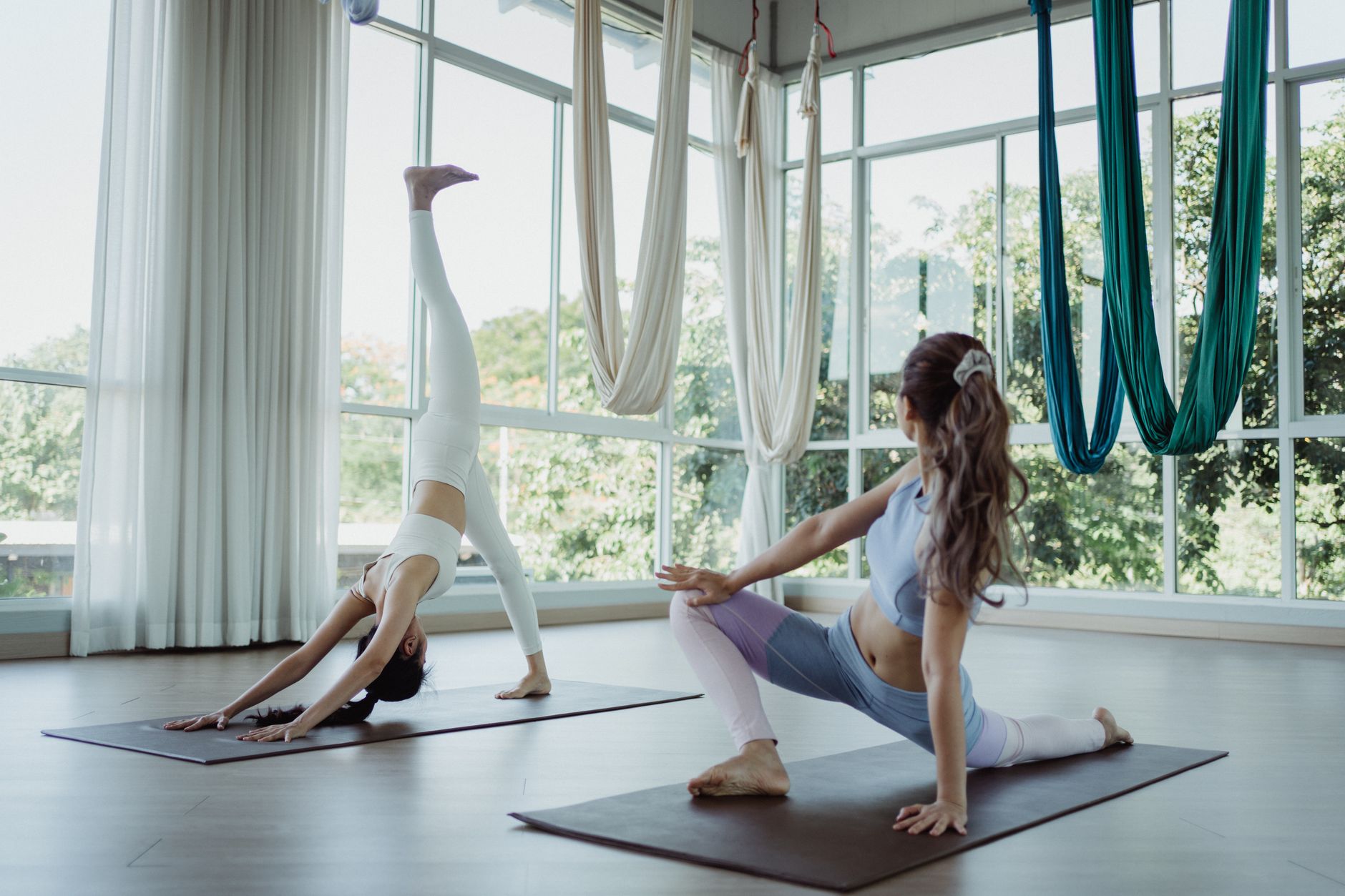
Sports clubs across Australia — from junior footy teams in Adelaide to community netball associations in Hobart — rely on clothing design websites to bring their team uniforms to life. When designing for athletic wear, always keep in mind:
- Moisture-wicking or performance fabrics require specific decoration techniques (sublimation is preferred)
- Bright, contrasting colours improve visibility during play
- Name and number personalisation requires careful planning and slightly longer turnaround times
Understanding Decoration Methods Before You Design
This is where many first-time buyers come unstuck. The way your design is applied to the garment determines its final appearance, durability, and cost — and not every decoration method suits every design.
Screen Printing
Best suited for bold, flat designs with limited colours. Highly cost-effective at larger quantities (typically 50+ units). Setup fees apply per colour, so designs with many colours can become expensive quickly.
Embroidery
Ideal for logos on polos, caps, jackets, and bags. Creates a professional, tactile finish. Complex gradient designs don’t translate well to embroidery — clean, simplified artwork works best. Minimum order quantities are often lower than screen printing.
Sublimation
Perfect for full-colour, all-over designs on polyester garments. No setup fees for colour quantity. Essential for sports apparel and technical workwear.
Heat Transfer and Direct-to-Garment (DTG)
Great for small runs, photographic designs, or garments where screen printing MOQs aren’t viable. DTG prints directly onto cotton fabric with no setup fees, making it popular for short-run promotional campaigns.
Understanding these methods before you use a clothing design website will help you set realistic expectations. A design that looks stunning on screen may need to be adjusted to suit the chosen decoration technique.
Artwork Tips for Getting the Best Results
Even the most intuitive clothing design website can’t compensate for poor-quality artwork. Here are some practical tips to get your design print-ready:
- Always supply vector artwork — Logos supplied as low-resolution JPEGs or PNGs often result in blurry prints. Ask your graphic designer for the original AI or EPS file
- Use the correct colour mode — CMYK for print, and always confirm Pantone (PMS) codes for brand-critical colours
- Keep it simple for embroidery — Fine lines and small text don’t stitch well; minimum text height for embroidery is typically 6–8mm
- Consider garment colour when designing — A white logo on a white shirt obviously won’t work, but light grey on navy can also lose contrast when printed
Budgeting for Custom Clothing in Australia
Budget is almost always the deciding factor for Australian teams and businesses. Here’s a rough guide to what to expect in 2026:
- Basic screen-printed tees (100+ units): $12–$22 per unit
- Embroidered polo shirts (50+ units): $30–$55 per unit
- Sublimated sports jerseys (24+ units): $35–$65 per unit
- Setup fees: $30–$80 per colour/screen for screen printing; embroidery digitising typically $50–$100 as a one-off fee
Keep in mind that setup fees are usually waived on reorders. If your team or organisation orders annually — like many schools preparing for sports carnivals or businesses restocking uniforms — that recurring saving adds up significantly.
It’s also worth thinking beyond apparel when planning a branded merchandise campaign. Items like branded totes and backpacks pair well with custom clothing for event packages, and if you’re running a summer campaign, consider bundling apparel with wholesale umbrellas or SPF50 sunscreen for a cohesive branded kit.
Common Mistakes to Avoid When Using a Clothing Design Website
Learning from others’ mistakes is always cheaper than making your own. Here are the most common pitfalls:
1. Approving a digital proof too quickly Take the time to check every detail — spelling, colour, placement, sizing. Once a job goes to print, changes become very costly.
2. Ignoring minimum order quantities Most clothing suppliers in Australia have MOQs. Ordering below the minimum often triggers significant price increases per unit. Plan your quantities carefully.
3. Not allowing enough lead time Standard turnaround times for custom clothing range from 10 to 20 business days. Rush orders are possible but attract premium charges. If you’re ordering for a specific event in Darwin or Canberra, build in a buffer.
4. Overlooking sustainable options Eco-conscious consumers and clients increasingly notice what brands wear and give away. Our guide to sustainable promotional products explains how to make greener choices without blowing your budget.
5. Forgetting complementary merchandise Your clothing is just one piece of the branded picture. Consider how it fits with other items — promotional wristbands, gym towels, or even novelty USB drives can round out a cohesive campaign.
For end-of-year gifting, custom apparel also works beautifully as part of a staff reward package — our ideas for Christmas gifts for employees explore how branded clothing can be a genuinely appreciated gesture rather than just another throwaway item.
Conclusion: Getting the Most from a Clothing Design Website
Using a clothing design website effectively is about more than simply dragging a logo onto a t-shirt template. It requires understanding your garment options, choosing the right decoration method, supplying quality artwork, and planning your order timeline carefully. When you approach it strategically, the result is custom apparel that genuinely represents your brand and delivers lasting value — whether you’re kitting out a corporate team in Melbourne, a footy club in Brisbane, or running a promotional event across multiple Australian states.
Key takeaways:
- Choose a clothing design website with realistic previews, PMS colour support, and transparent pricing to avoid surprises
- Match your decoration method to your design style — sublimation for sports and all-over prints, embroidery for corporate polish, screen printing for bold volume orders
- Always supply vector artwork and confirm colour modes before approving your proof
- Factor in setup fees, MOQs, and lead times when budgeting and planning your order timeline
- Think beyond apparel — coordinate your custom clothing with complementary branded merchandise for a more impactful campaign