
Business Card Printing in Australia: The Complete Guide for Smart Brands
Everything Australian businesses need to know about business card printing — from paper stocks and finishes to MOQs, turnaround times, and design tips.

Written by
Lydia Park
Stationery & Office
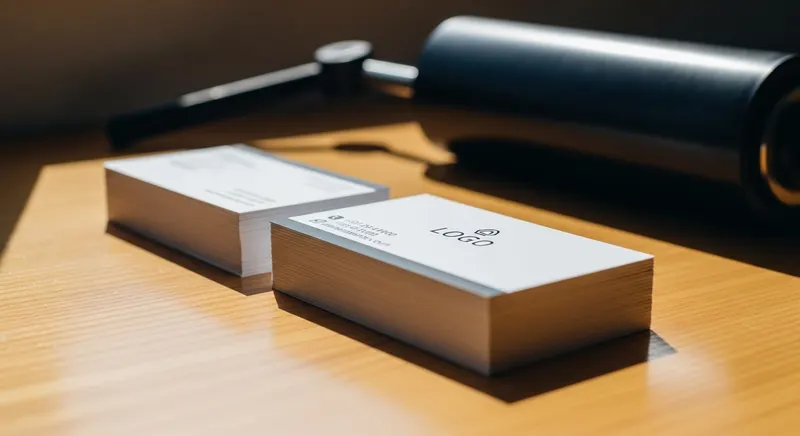
Despite living in an increasingly digital world, the business card remains one of the most powerful first impressions a brand can make. There’s something tactile and personal about handing over a well-crafted card at a networking event, trade show, or client meeting that no LinkedIn connection request can replicate. For Australian marketing teams, businesses, and even sports clubs looking to build a professional brand presence, understanding your options around business card printing can mean the difference between a card that ends up on someone’s desk and one that heads straight for the recycling bin. This guide covers everything you need to know — from choosing the right paper stock and finish to managing artwork, turnaround times, and bulk orders like a pro.
Why Business Cards Still Matter in 2026
You might be surprised to learn that business cards are far from obsolete. In fact, for many industries across Sydney, Melbourne, Brisbane, and Perth, they remain a cornerstone of in-person networking and client relationship building. A well-designed card signals professionalism, attention to detail, and brand pride — qualities that resonate especially strongly in face-to-face contexts.
For sports clubs in Queensland or South Australia, a branded card hands coaches and administrators a credible, shareable tool when pitching to sponsors. For a real estate agency in Adelaide, a premium card left behind after an open home keeps the agent’s name front of mind. And for a corporate team exhibiting at a trade show in Melbourne, cards complement your broader branded display — including tear-drop banners at your booth — as part of a cohesive brand experience.
The key is not just printing a card — it’s printing the right card for your brand and audience.
Understanding Your Business Card Printing Options
When it comes to business card printing, the decisions you’ll need to make go well beyond just the words on the card. Let’s break down the main variables.
Paper Stock and Card Weight
Card weight is measured in GSM (grams per square metre), and it directly affects how your card feels in someone’s hand. Standard options include:
- 300–350 GSM – The most common range for professional business cards. Feels solid and sturdy without being over the top.
- 400–450 GSM – Premium weight, typically used with soft-touch or matte laminate finishes. Noticeably thick and impressive.
- Cotton or textured stocks – Less common but available for brands wanting a distinctive, premium feel.
Cheap, flimsy cards send the wrong message. Investing in a heavier stock is almost always worth the modest additional cost.
Finish Types
The finish applied to your card has a major impact on its look and feel. Common options include:
- Gloss laminate – Vibrant, shiny, and eye-catching. Great for image-heavy designs.
- Matte laminate – Sophisticated and modern. Colours appear slightly muted but elegant.
- Soft-touch (velvet) laminate – A premium tactile finish that feels almost velvety. Very popular in corporate settings.
- Spot UV – A gloss coating applied selectively over design elements (like a logo), creating a striking contrast against a matte base.
- Foil stamping – Metallic gold, silver, or coloured foil pressed onto the card. Reserved for high-end, premium branding.
For a corporate business in Canberra or a creative agency in Melbourne, spot UV or soft-touch finishes can elevate your cards from ordinary to memorable.
Size and Shape
Standard Australian business cards measure 90mm x 55mm, which fits neatly into most cardholders and wallets. However, custom sizes and shapes are available — including:
- Square cards – Popular with photographers, designers, and lifestyle brands.
- Rounded corners – A subtle touch that softens the card’s look and differentiates it from standard stock.
- Slim cards – Narrower cards that feel modern and minimal.
- Die-cut shapes – Custom cut to match a logo or product shape (higher cost, longer lead time).
Unless you have a strong creative reason for something non-standard, sticking to the standard size keeps your cards practical and cardholder-friendly.
Getting Your Artwork Right for Business Card Printing
Artwork quality is one of the biggest pain points in business card printing. Submitting the wrong file type or resolution is one of the most common reasons for print delays or disappointing results.
Here’s what you need to know:
- Use vector files wherever possible. Vector artwork (AI, EPS, or PDF formats) scales infinitely without losing quality. If you’re unsure about your file type, our guide on understanding vector art files explains everything in plain language.
- Set your document to CMYK colour mode, not RGB. RGB is designed for screens; CMYK is for print. Colours can shift noticeably if you supply an RGB file.
- Include bleed and safe zone margins. Standard bleed is 3mm on all sides. Keep important text and logos at least 3mm inside the edge (the “safe zone”) to avoid trimming issues.
- Embed all fonts or convert them to outlines to prevent font substitution issues at the printer’s end.
- Resolution should be at least 300 DPI for all raster images included in the design.
If your designer supplies a file and you’re unsure it’s print-ready, always request a virtual proof before approving your job for print. Our article on virtual proofs vs physical samples for promotional products walks through how the proofing process works and what to look out for.
Minimum Order Quantities, Turnaround Times, and Pricing
MOQs for Business Card Printing
Most business card printing suppliers work with minimum order quantities starting at around 50 to 100 cards, with common quantities being 250, 500, and 1,000. Bulk pricing tiers kick in significantly at higher quantities — the per-unit cost at 1,000 cards can be dramatically lower than at 100.
For a marketing team managing business cards across multiple staff members, ordering in bulk and keeping a stock on hand is almost always more cost-effective than placing individual orders each time someone runs out.
Turnaround Times
Standard turnaround for business card printing in Australia typically falls between 3 and 7 business days from artwork approval. Rush or express options are often available for an additional cost, sometimes turning cards around in 1 to 2 business days — useful if you have a last-minute trade show or conference coming up in Brisbane or Sydney.
Always factor in delivery time on top of production time, especially if you’re ordering from interstate. For events in regional areas like Darwin or Hobart, add extra buffer time to avoid any last-minute stress.
Budget Considerations
Business card printing is one of the most affordable branded stationery investments available. At standard quantities:
- 250 basic cards – Roughly $30–$60 for standard stock and finish.
- 500 premium cards – $80–$150 depending on stock weight and finish type.
- 1,000 soft-touch or spot UV cards – $150–$300+.
Prices vary significantly based on finish complexity, custom shapes, foiling, and the supplier you use. Always get a quote that includes GST and any setup or die-cut fees upfront.
Business Cards as Part of a Broader Branded Stationery Suite
Smart businesses don’t stop at cards. Your business card printing project is often the starting point for a broader stationery and branded merchandise strategy that keeps your brand consistent across every touchpoint.
Consider pairing your cards with:
- Branded pens and notebooks for client meetings and onboarding kits
- Custom lanyards and wristbands for events and conferences — check out options for event wristbands and wristbands for events to keep your event branding cohesive
- Branded tote bags handed out at trade shows — our guide on tote bags and branded bag options covers everything from canvas to non-woven styles
- Branded apparel like custom work polo shirts or graphic tees for your team to wear at events
If your team is building out a full conference presence, you might also explore branded totes and backpacks for delegate bags, or promotional USB drives and novelty USB flash drives as giveaway items packed with your presentation materials.
And while you’re thinking about brand visibility at outdoor events, wholesale umbrellas and branded umbrellas are excellent additions to any event toolkit — as are branded gym towels for sports clubs building their sponsor collateral.
For seasonal campaigns, don’t miss our roundup of winter promotional products in Sydney and ideas for Christmas gifts for employees that make your brand feel warm and considered year-round.
Common Business Card Printing Mistakes to Avoid
Even experienced marketing teams can fall into these traps:
- Using a home printer or online tool without proper print specs – This leads to pixelated logos, colour mismatches, and bleed issues.
- Forgetting to proofread – A typo on 500 cards is an expensive and embarrassing mistake. Have at least two people check every element.
- Overloading the design – Less is more. Your name, title, phone, email, website, and logo are usually enough.
- Ignoring the back of the card – The reverse side is valuable real estate for a QR code, tagline, or product image.
- Ordering too few – Running out of cards mid-event is avoidable. Always order more than you think you’ll need.
Conclusion: Making Business Card Printing Work for Your Brand
Business card printing remains a high-value, low-cost branding tool that Australian businesses, sports clubs, and marketing teams should never overlook. Done well, a great business card communicates professionalism, reinforces your brand identity, and gives people a tangible reason to keep your details close at hand.
Here are the key takeaways from this guide:
- Choose paper stock and finish carefully — card weight and laminate type have the biggest impact on perceived quality.
- Supply print-ready artwork using vector files, CMYK colour mode, proper bleed settings, and 300 DPI resolution.
- Order in bulk to take advantage of tiered pricing — 500 or 1,000 cards offers far better value per unit than smaller runs.
- Factor in both production and delivery time, especially for interstate orders or events in regional cities like Darwin or Hobart.
- Integrate business cards into your broader branded collateral suite for a consistent, professional brand experience across every customer touchpoint.
Whether you’re refreshing your corporate stationery, kitting out your team for a trade show, or building a brand identity from scratch, getting your business card printing right is one of the smartest investments you can make in your brand’s first impression.