
Sustainable Merchandise: The Complete Guide for Australian Businesses in 2026
Discover how Australian businesses can choose sustainable merchandise that reduces waste, strengthens brand values, and impresses customers and staff.

Written by
Ariana Osei
Eco & Sustainable Products
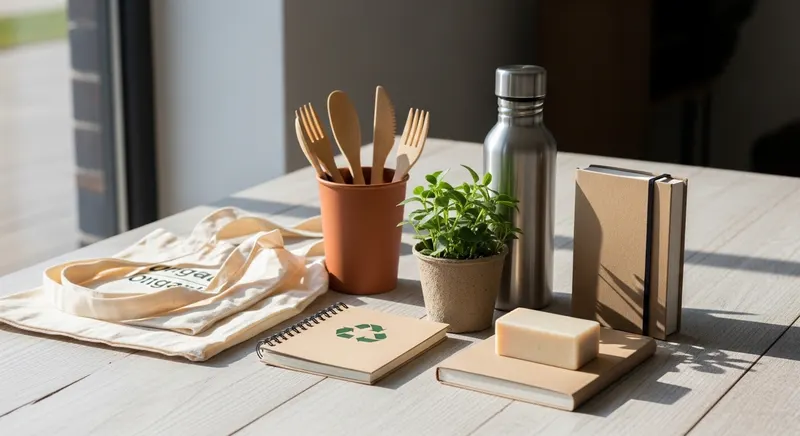
Choosing the right branded merchandise has never been more important — or more complex. Australian businesses, marketing teams, and sporting clubs are under growing pressure to align their purchasing decisions with sustainability goals, and promotional products are no exception. Whether you’re sourcing giveaways for a Sydney trade show, kitting out a Brisbane sporting club, or putting together end-of-year gifts for Melbourne staff, the merchandise you choose says a great deal about your organisation’s values. In 2026, sustainable merchandise isn’t a niche trend reserved for environmental advocacy groups — it’s a mainstream expectation from customers, employees, and communities alike.
This guide breaks down everything you need to know about making the switch to eco-friendly promotional products: what to look for, how to evaluate claims, which product categories offer the best options, and how to order smartly without blowing your budget.
Why Sustainable Merchandise Matters More Than Ever
The promotional products industry has historically been associated with low-cost, high-volume items that end up in landfill within weeks. Think flimsy plastic pens, single-use shopping bags, and cheap plastic keyrings. That model is changing — rapidly.
Australian consumers are increasingly aware of environmental impact, and research consistently shows that people form more positive associations with brands that demonstrate genuine environmental responsibility. When a company hands out a well-made, reusable product made from recycled or natural materials, that item does double duty: it promotes the brand and signals that the business cares about more than just its bottom line.
For marketing teams, this represents a significant opportunity. Sustainable merchandise tends to have higher perceived value, which means recipients are more likely to keep and use it — extending your brand’s reach far beyond the initial handout moment. A durable bamboo travel mug or a high-quality recycled tote bag will be used daily for months or years, generating impressions that a cheap plastic giveaway simply can’t match.
Sporting clubs in Queensland, New South Wales, and Victoria are also increasingly embracing eco-friendly merchandise as they seek to strengthen community ties and attract younger, more environmentally conscious members and sponsors.
Understanding What Makes a Product Truly Sustainable
Not all “eco-friendly” claims are created equal. Greenwashing — the practice of presenting a product as more environmentally responsible than it actually is — is a real concern in the promotional products space. Before placing an order, it’s worth understanding the key markers of genuinely sustainable merchandise.
Material Sourcing and Composition
Look for products made from:
- Recycled materials — including recycled PET (rPET) from plastic bottles, recycled cotton, and post-consumer waste plastics
- Natural and renewable materials — such as bamboo, cork, organic cotton, jute, and hemp
- BPA-free materials — especially important for drinkware; if you’re unsure what to look for, our explainer on what BPA is and why it matters for promotional drinkware is a great starting point, and you can also read our detailed post on bisphenol A and its health implications
Certifications and Standards
Legitimate sustainability certifications include GOTS (Global Organic Textile Standard) for textiles, FSC (Forest Stewardship Council) for paper and wood products, and OEKO-TEX for fabrics free from harmful substances. Ask your supplier to provide documentation rather than accepting vague “eco-friendly” descriptions at face value.
Longevity and Usability
A product that lasts years is inherently more sustainable than one that breaks within months, even if both are made from “green” materials. Prioritise quality over cost-per-unit, particularly when ordering gifts for valued clients or team members.
The Best Sustainable Merchandise Categories for Australian Organisations
Eco-Friendly Drinkware
Reusable drinkware is one of the strongest categories for sustainable merchandise. Branded keep cups, stainless steel water bottles, and glass mugs replace hundreds of single-use cups or plastic bottles over their lifespan.
If you’re trying to decide which branded bottle is right for your campaign, our guide to the best water bottle brands for promotional use walks through the key options. For corporate gift programmes and staff wellness initiatives, a quality reusable bottle is one of the highest-retention items you can order.
Look for bottles and keep cups made from stainless steel (ideally food-grade 18/8 stainless), borosilicate glass, or high-quality BPA-free Tritan plastic. Most can be decorated via laser engraving — which uses no inks or chemicals — or pad printing with water-based inks.
Sustainable Bags and Totes
Reusable bags remain one of the most popular forms of sustainable merchandise, and with good reason. They’re practical, highly visible, and available in a wide range of eco-friendly materials.
Jute, organic cotton, recycled PET, and hemp are all excellent choices for promotional tote bags. These materials offer a much lower environmental footprint than virgin polyester or non-woven polypropylene. Our guide to totes and backpacks for promotional use covers the full range of styles and decoration options if you’re planning a larger order.
For Melbourne councils, Canberra government departments, or Adelaide charities running community events, a branded organic cotton tote bag with screen printing (using water-based inks) is a particularly strong choice.
Sustainable Apparel
Custom apparel is a staple of promotional merchandise programmes, and the eco-friendly options have improved dramatically in recent years. Organic cotton t-shirts, recycled polyester polos, and ethically manufactured hoodies are all readily available from reputable Australian suppliers.
When selecting sustainable apparel, check that the garment is certified (GOTS for organic cotton, or Bluesign for recycled synthetics) and that the decoration method is environmentally responsible. Water-based and discharge inks for screen printing, and recycled thread for embroidery, are worth requesting. Our overview of graphic t-shirt printing and design covers decoration options in more detail.
Work polos made from sustainable fabrics are particularly popular with healthcare organisations and businesses in Perth and Darwin who want to maintain a professional look while meeting sustainability commitments. See our guide on selecting work polo shirts for more.
Eco-Friendly Tech Accessories
Tech items might not be the first category that comes to mind for sustainable merchandise, but there are solid options. Bamboo USB drives, solar-powered chargers, and recycled plastic tech accessories are increasingly available.
For a more detailed look at what’s on offer, our guide to promotional USB drives covers standard options, and our post on novelty USB flash drives explores more creative formats — some of which are now available in sustainable materials.
Event-Specific Sustainable Products
Conferences, trade shows, and sporting events are major occasions for branded merchandise distribution — and they’re also significant sources of promotional waste. Switching to sustainable event merchandise makes a visible statement and reduces the post-event environmental footprint.
Consider:
- Recycled lanyards and wristbands — for event access and identification. See our posts on event wristbands and wristbands for events for options
- Bamboo or recycled event signage — combined with sustainable tear-drop banners made from recycled fabric
- Eco-friendly umbrellas — available in recycled polyester canopies. Our guides on wholesale umbrellas and umbrellas in bulk cover ordering at scale
For Gold Coast sporting clubs running end-of-season events, or Sydney businesses exhibiting at industry expos, swapping single-use plastic giveaways for quality sustainable alternatives makes a lasting impression.
Practical Tips for Ordering Sustainable Merchandise
Request Physical Samples Before Committing
When ordering sustainable merchandise, especially new product categories, it’s well worth requesting a physical sample before placing a bulk order. Our guide comparing virtual proofs versus physical samples explains when each approach is appropriate and helps you decide which to request.
Understand Minimum Order Quantities
Sustainable products often carry slightly higher MOQs than their conventional counterparts, particularly for certified organic apparel. A typical MOQ for organic cotton tote bags might be 50–100 units, while stainless steel drinkware may start at 25–50 pieces. Build this into your planning early.
Ensure Your Artwork Is Ready
Sustainable or not, every merchandise order needs properly prepared artwork. Many eco-friendly products use laser engraving or screen printing, both of which require vector files. Our guide on what a vector art file is and why it matters is an essential read before you submit your files.
Budget for Quality
Sustainable merchandise typically costs more per unit than conventional alternatives — but the gap has narrowed considerably. Factor in the extended usability and higher perceived value when comparing costs. A $15 stainless steel bottle that recipients use daily for two years delivers far better ROI than a $3 plastic bottle that ends up in a bin within weeks.
Plan Seasonal Orders in Advance
Eco-friendly products often have longer lead times due to more complex supply chains. If you’re planning winter promotional products for a Sydney event, or sourcing Christmas gifts for employees, order well ahead — typically six to eight weeks for sustainable ranges.
Conclusion: Key Takeaways for Choosing Sustainable Merchandise
Sustainable merchandise is no longer a luxury or a niche consideration — it’s a core part of responsible brand strategy for Australian businesses, marketing teams, and sporting clubs in 2026. The options are broader, better quality, and more competitively priced than ever before.
Here are the key takeaways to carry forward:
- Look beyond the label — verify eco claims with recognised certifications like GOTS, FSC, and OEKO-TEX rather than accepting vague marketing language
- Prioritise longevity — a well-made, durable product is inherently more sustainable than a cheap alternative, regardless of materials
- Match the product to the occasion — reusable drinkware suits corporate gifting, organic totes suit events, sustainable apparel suits team uniforms
- Prepare your artwork early — sustainable product orders often involve longer lead times, so having vector-ready files saves valuable time
- Request samples before you scale — always confirm quality, decoration clarity, and material feel before committing to a large sustainable merchandise run
Making thoughtful choices about what you put your logo on is one of the simplest and most visible ways your organisation can demonstrate genuine environmental commitment — and in a competitive market, that genuinely matters.