
How to Use a Branded Reusable Supermarket Bag as a Powerful Promotional Tool
Discover how branded reusable supermarket bags can boost your business visibility, reduce waste, and deliver outstanding ROI on your promo budget.

Written by
Lucy Hassan
Bags & Totes
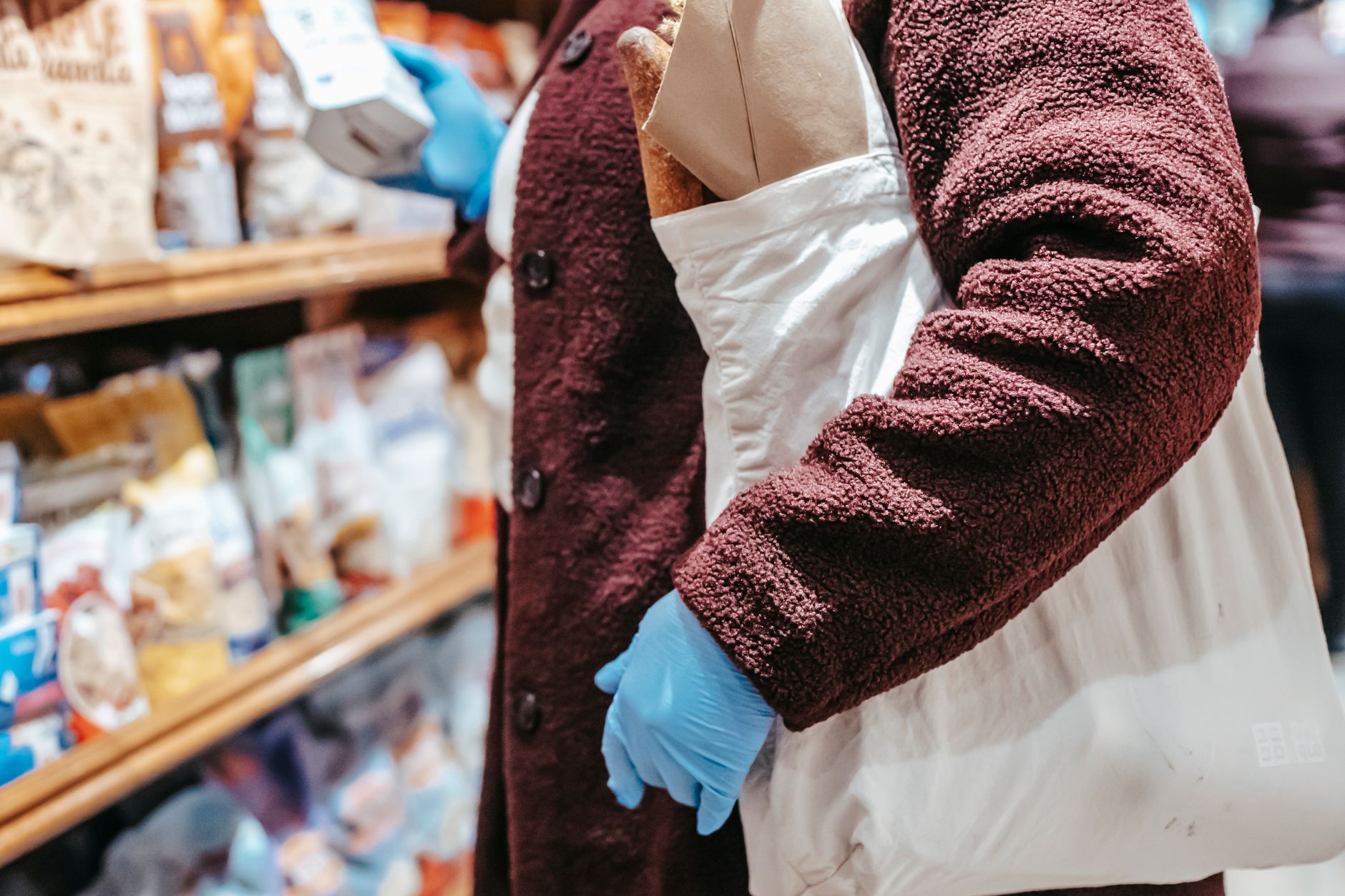
Every time someone carries a branded reusable supermarket bag through the checkout, down the street, or into the office, your logo travels with them. It’s one of the most underrated promotional products in the Australian market — a genuinely useful item that people reach for again and again, week after week. In a landscape where brands are competing for attention at every turn, the humble reusable shopping bag has quietly become one of the most cost-effective, high-visibility promotional tools available. Whether you’re a marketing manager in Melbourne, a sports club coordinator in Brisbane, or a business owner in Perth looking to build brand recognition in your local community, a well-designed branded bag can do serious heavy lifting for your promotional strategy.
Why the Reusable Supermarket Bag Is a Promotional Powerhouse
The single biggest advantage of a reusable supermarket bag as a promotional product is its repeat use. Unlike a flyer that gets binned or a branded pen that runs out of ink, a quality reusable bag gets used regularly — often multiple times per week. Studies consistently show that promotional bags generate thousands of impressions over their lifetime, making them one of the highest-return items in the promotional products space.
Beyond the sheer number of impressions, there’s also a values alignment argument. Australian consumers are increasingly environmentally conscious. When your brand is attached to a product that actively reduces single-use plastic waste, you’re communicating something meaningful about your organisation’s values — without saying a word. This is particularly relevant for councils, health organisations, sporting clubs, and businesses wanting to connect with community-minded audiences.
The Everyday Visibility Factor
Think about how a reusable supermarket bag moves through the world. It goes to Coles, Woolworths, the local farmers’ market, the gym, the office, a friend’s house for dinner. Each journey is an organic brand impression, earned without any ongoing media spend. For businesses working with a limited promotional materials budget, this kind of passive advertising is extraordinarily valuable.
A Sydney-based real estate agency, for example, might distribute branded bags at a community open day. Six months later, those bags are still circulating through local neighbourhoods — reinforcing brand recognition at zero additional cost. That’s a compounding return that very few promotional items can match.
Choosing the Right Style of Reusable Supermarket Bag
Not all reusable bags are created equal, and the style you choose will have a significant impact on how your brand is perceived and how often the bag gets used. Let’s break down the most common options.
Non-Woven Polypropylene Bags
This is the classic style — lightweight, affordable, and available in a huge range of colours. Non-woven PP bags are a staple for high-volume campaigns where cost per unit is a priority. They’re ideal for trade shows, expos, and large community events where you need hundreds or thousands of units without blowing the budget. Minimum order quantities for non-woven bags typically start from around 100–200 units, making them accessible for even smaller organisations.
The main limitation is perceived quality. While these bags are perfectly functional, they sit at the lower end of the premium scale. If brand elevation is a priority, you may want to consider other options.
Cotton and Canvas Tote Bags
Cotton and canvas bags carry a stronger eco-friendly message and feel considerably more premium in the hand. They’re particularly popular with health and wellness brands, boutique retailers, schools, and not-for-profits. A natural cotton tote with a clean logo print or embroidered branding says something very different from a plastic-substitute bag — it signals care, quality, and longevity.
Screen printing is the most common decoration method for cotton totes, offering crisp, vibrant results at a reasonable price point. For more textured, tactile branding, embroidery adds a premium finish that elevates the perceived value considerably. Our guide to promotional logo items goes deeper on how decoration method affects brand perception if you’re weighing up your options.
Recycled and Eco-Material Bags
RPET (recycled PET, made from plastic bottles) bags have surged in popularity across Australian organisations in recent years. They carry a compelling sustainability story and hold up extremely well over time. A Gold Coast council distributing RPET shopping bags as part of a community sustainability initiative, for example, gets double the brand value — environmental messaging plus ongoing logo visibility.
Jute bags are another eco-forward option, offering a natural, earthy aesthetic that suits brands in the food, wellness, and lifestyle categories particularly well.
Decoration Methods: Getting Your Branding Right
The decoration method you choose will affect both the look of the final product and your per-unit cost, so it’s worth understanding your options before you commit.
Screen printing is the workhorse of bag decoration. It produces bold, flat-colour results at low cost per unit, making it ideal for large runs with simple logos or designs. Most bag types work well with screen printing.
Heat transfer and digital printing open up the possibility of full-colour, photographic-quality prints — useful for complex artwork or multi-colour logos. These methods suit smaller runs but tend to carry a higher setup cost.
Embroidery is reserved for fabric bags like canvas totes and is best suited to logos with clean lines and limited colours. It adds a premium, tactile dimension that screen printing can’t replicate.
Sublimation allows for all-over colour coverage, which is spectacular for standout designs. This works particularly well on polyester-based bags. If you’re curious about how this process works across different products, our breakdown of the sublimated polo process gives a solid overview of what’s involved.
Budgeting and Ordering: What You Need to Know
One of the most common questions from marketing teams and club coordinators is: how much does a branded reusable bag actually cost? The honest answer is — it depends heavily on the bag style, decoration method, order quantity, and any setup fees involved.
As a general guide:
- Non-woven PP bags: from approximately $1.50–$3.50 per unit at volume
- Cotton canvas totes: from approximately $4.00–$8.00 per unit depending on weight and print
- RPET bags: from approximately $3.50–$7.00 per unit
- Jute bags: from approximately $4.50–$9.00 per unit
Setup fees for screen printing typically run between $50–$100 per colour, though these are usually amortised across the order quantity. Always factor in setup fees when comparing quotes, especially on smaller orders.
For businesses and clubs that regularly order promotional stock, it’s worth exploring bulk pricing tiers. Ordering 500 units versus 100 units can dramatically reduce your per-unit cost — sometimes by 40–50%.
Turnaround times in Australia generally run 10–15 business days for standard orders once artwork is approved, though rush production options are available at a premium. If you’re ordering for a specific event in Sydney, Melbourne, or elsewhere, always build in buffer time for shipping, especially during peak periods like end of financial year or the lead-up to Christmas. Speaking of which, if you’re thinking about seasonal gifting, our ideas for Christmas gifts for employees might spark some useful inspiration.
Practical Applications for Businesses and Sports Clubs
The versatility of the reusable supermarket bag means it works across a huge range of use cases and sectors.
Corporate businesses can distribute branded bags as part of welcome packs, client gifts, or conference giveaways. When paired with other promotional corporate products like branded notebooks, pens, or promotional drink bottles, a reusable bag becomes the carrier for an entire branded gift set — a cohesive, professional package that makes a strong impression.
Sports clubs — particularly community football, netball, and cricket clubs across Queensland, New South Wales, and Victoria — can use branded bags for merchandise sales, sign-on day giveaways, or fundraising drives. A Canberra netball club, for example, could sell branded bags as part of a fundraiser, with proceeds going back into club operations. Combining bags with other club merchandise like wristbands can create a compelling merchandise bundle for members.
Marketing teams running promotional campaigns benefit from the evergreen nature of reusable bags. Unlike event-specific items that date quickly, a well-designed bag with clean branding stays relevant and useful for years.
For organisations looking to build out a full promotional strategy, it’s worth exploring how bags fit within your broader promotive gear mix alongside items like pull-up banners and teardrop banners for event presence, or umbrellas wholesale for outdoor activations.
Artwork and Specification Tips
Getting your artwork right upfront saves time and avoids costly reprints. Here are the key things to know:
- Supply artwork in vector format (AI or EPS files) wherever possible
- Ensure your logo colours are specified in PMS (Pantone) codes for accurate colour matching
- Confirm the print area dimensions with your supplier before finalising your design
- Request a digital proof before approving any order — never skip this step
- If you’re unsure about what BPA is or need to understand material safety for products that will contact food items, our explainer on Bisphenol A is a useful reference
For first-time buyers, asking for a pre-production sample (a physical sample in your chosen colour and with your branding applied) is always worth the additional lead time. You can also browse promotional gifts inspiration to see how bags pair with complementary products.
Key Takeaways
The branded reusable supermarket bag is one of the most effective, enduring promotional products available to Australian businesses, marketing teams, and sports clubs in 2026. Here’s what to remember:
- High-frequency use means high ROI — a quality bag used twice a week generates thousands of brand impressions over its lifetime
- Material choice signals your brand values — cotton, jute, and RPET bags carry a stronger sustainability message than non-woven alternatives
- Decoration method matters — screen printing suits high-volume runs, while embroidery or digital printing elevates perceived quality for premium campaigns
- Order smart on quantity — bulk pricing tiers can reduce your per-unit cost significantly; factor setup fees into your total budget
- Plan your timeline carefully — allow 10–15 business days minimum for production plus shipping, especially ahead of key events or seasonal campaigns
If you’re ready to explore your options or want expert guidance on building a branded bag strategy that works for your specific audience, the team at MerchCraft Australia is here to help. Explore our full range through our promotional products company hub or browse our promotions website for ideas and inspiration.