
How to Choose the Right Promotional Gifts That People Actually Keep
Discover expert tips on selecting promotional gifts that deliver real ROI for Australian businesses, marketing teams, and sports clubs.

Written by
Sawyer Abara
Corporate Gifts
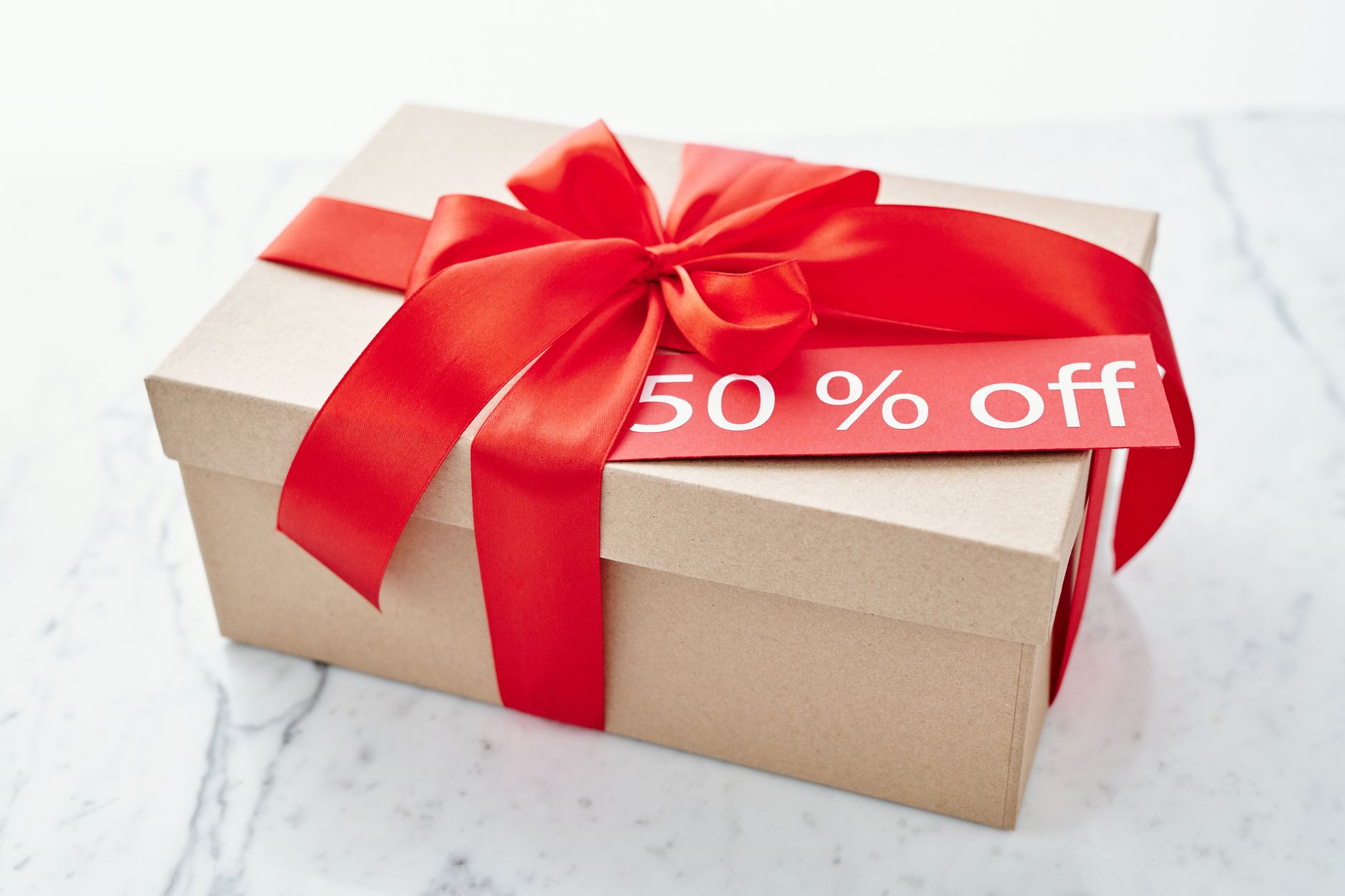
Choosing the right promotional gifts can feel like navigating a maze. There are thousands of products to consider, a budget to manage, a deadline looming, and — most importantly — an audience to impress. Whether you’re a Sydney marketing manager planning a client appreciation campaign, a Melbourne sporting club gearing up for the new season, or a Brisbane business attending a trade show, the decisions you make around branded merchandise will directly affect how your brand is perceived. The good news? With the right strategy and a bit of expert guidance, you can consistently select gifts that people genuinely value, use, and remember.
Why Promotional Gifts Matter More Than You Think
Branded merchandise has long been one of the most cost-effective tools in the marketing mix. Unlike digital ads that disappear the moment you stop paying for them, a well-chosen promotional gift keeps working for you — often for months or even years. Every time someone reaches for that branded keep cup or pulls on a custom hoodie, your logo gets another impression. And unlike a social media post that might be scrolled past in seconds, a physical gift creates a tangible, emotional connection with your brand.
Research consistently shows that recipients of branded merchandise are more likely to recall the company that gave it to them, and more likely to view that company favourably. In a competitive market like Australia — where businesses in every sector from real estate to healthcare are competing for attention — that kind of lasting brand recall is genuinely valuable.
The key is choosing products that align with your audience’s lifestyle and your brand’s values. A generic pen might feel like a safe option, but a high-quality, thoughtfully chosen gift sends a very different message about the kind of organisation you are.
Understanding Your Audience Before You Order
Before you even begin browsing product catalogues, it’s worth asking one fundamental question: who is this gift actually for?
The answer will shape almost every decision that follows — the product category, the decoration method, the quantity, the budget, and the timeline. Let’s look at how this plays out across different audiences.
Corporate Clients and Business Partners
For corporate gifting, quality always takes priority over quantity. A Perth consulting firm sending end-of-year gifts to its top 50 clients should be thinking about premium items — leather-bound notebooks, engraved drinkware, or curated gift sets that feel considered and generous. These recipients are typically professionals who have high expectations, so cheap or poorly made items can actually damage your brand perception rather than enhance it.
Decoration for corporate gifts often leans toward laser engraving or debossing, which gives a sophisticated, understated finish that resonates well in professional settings. Our guide to laser engraving for branded products covers everything you need to know about this method before you commit.
Staff and Employee Gifts
Staff gifting is about recognition and belonging. Whether it’s a welcome pack for new starters, a milestone anniversary gift, or a reward for exceptional performance, the goal is to make employees feel genuinely valued. Custom apparel, quality drinkware, and branded tech accessories are all popular choices in this space.
An Adelaide tech company onboarding 20 new employees each quarter, for example, might invest in a branded welcome kit containing a custom notebook, a stainless steel keep cup, and a quality t-shirt — all presented in a branded box. This kind of cohesive approach signals that the organisation takes its culture seriously. You can find plenty of inspiration in our complete guide to employee welcome kits.
Sporting Clubs and Associations
Sporting clubs across Australia — from Gold Coast touch football clubs to Hobart netball associations — tend to focus on functional, wearable merchandise that players and supporters can use during training and game days. Custom caps, water bottles, sports bags, and team polos are perennial favourites.
Budget is often tighter in this context, so understanding MOQs and bulk pricing becomes especially important. Many decoration methods become significantly more cost-effective at higher quantities — for example, screen printing becomes very affordable once you’re ordering 50 or more items. Our overview of screen printing for sporting clubs explains the numbers in plain language.
Matching Products to Occasions
Different occasions call for different types of promotional gifts. Getting this right makes the difference between a gift that gets used and one that ends up in a drawer.
Trade Shows and Expos
Trade show giveaways need to be portable, practical, and eye-catching — because you’re often handing them to people who are already carrying bags full of brochures and other freebies. Items like branded tote bags, pocket notebooks, lanyards, and USB drives tend to work well here because they’re immediately useful at the event itself. Read our trade show merchandise planning guide for a full breakdown of what works (and what doesn’t).
End-of-Year and Seasonal Gifting
End-of-year gifting is a significant moment for many Australian businesses. The Christmas and summer period is an opportunity to thank clients, reward staff, and reinforce relationships before the new year. Insulated cooler bags, branded picnic sets, and quality drinkware are particularly well-suited to the Australian summer context. If you’re planning a seasonal campaign, our tips for end-of-year corporate gifting are worth a read.
Conferences and Events
Conference gifts and delegate packs are about creating a memorable experience and giving attendees something genuinely useful during the event. A quality conference bag, a branded notebook and pen, and perhaps a reusable water bottle or keep cup are all strong choices. For larger conferences in cities like Melbourne or Sydney, eco-friendly options are increasingly expected — sustainable merchandise signals that your organisation is forward-thinking. Our guide to eco-friendly promotional products covers the best options currently available.
Decoration Methods: Matching the Technique to the Product
One of the most common mistakes organisations make when ordering promotional gifts is not giving enough thought to the decoration method. The method affects not just how your logo looks, but how long it lasts, how much it costs, and whether it suits the specific product material.
Here’s a quick reference:
- Embroidery – ideal for caps, polos, jackets, and bags. Gives a premium, durable finish. Works best with relatively simple logos.
- Screen printing – best for flat surfaces like t-shirts, tote bags, and paper items. Very cost-effective for larger runs.
- Sublimation – excellent for all-over prints on polyester garments and ceramic drinkware. Produces vivid, photo-quality results.
- Laser engraving – perfect for metal and timber items like drinkware, pens, and awards. Creates a sophisticated, permanent impression.
- Pad printing – suited to smaller, rigid items like pens, USB drives, and keyrings.
- Debossing – ideal for leather and faux-leather items like notebooks and wallets.
If you’re unsure which method suits your product and logo, our decoration methods comparison guide walks through the key considerations in detail.
Budgeting Smartly for Promotional Gifts
Budget is always a central consideration, and it’s one area where a bit of planning upfront can save you significantly down the track. Here are some practical budgeting principles to keep in mind.
Set a per-unit budget before you browse. It’s easy to fall in love with a product that’s well outside your budget. If you know you have $15 per recipient, stick to that range from the start.
Factor in all costs, not just the product price. Setup fees (typically $30–$80 per colour or design element), freight, and GST all add up. Ask for a fully itemised quote before approving anything.
Order in quantities that trigger better pricing. Most promotional product pricing drops significantly at key quantity thresholds — often 25, 50, 100, and 250 units. If your budget allows, ordering slightly more than you need now can be more cost-effective than placing a smaller second order later.
Request a sample before committing to a large run. For orders above 100 units, it’s almost always worth paying for a pre-production sample. This eliminates costly surprises around colour accuracy, print quality, or sizing.
For a full breakdown of how to manage a promotional products budget from start to finish, check out our guide to budgeting for branded merchandise.
Getting the Timing Right
Turnaround times catch many organisations off guard, particularly around peak periods. In Australia, the Christmas rush, EOFY, and the return-to-school period in January and February all place significant pressure on production schedules.
As a general guide:
- Standard orders: allow 10–15 business days from proof approval
- Rush orders: some products can be turned around in 3–5 business days, though this typically incurs a surcharge
- Complex decoration (e.g., embroidery on large quantities, multi-colour screen prints): allow 15–20 business days
If you’re organising gifts for a specific event date, always work backwards from that deadline and communicate it clearly when requesting quotes. Our promotional merchandise timeline planner is a handy resource if you’re managing a campaign with a hard deadline.
Conclusion: Key Takeaways for Smarter Promotional Gifting
Choosing the right promotional gifts isn’t just about picking products — it’s about understanding your audience, aligning with your brand values, and making smart decisions around decoration, budgeting, and timing. Do that consistently, and your branded merchandise becomes a genuine marketing asset rather than an afterthought.
Here are the key takeaways to carry with you:
- Know your audience first. The product, quality level, and decoration method should all be driven by who the recipient is and what they value.
- Match the gift to the occasion. Trade show giveaways, client gifts, and staff rewards all have different requirements — what works in one context may fall flat in another.
- Think beyond the product price. Always factor in setup fees, freight, and GST when comparing quotes to get a true cost-per-unit figure.
- Choose the right decoration method. The technique should suit the product material, your logo complexity, and your budget — not just be the default option.
- Plan your timeline carefully. Rushed orders cost more and carry greater risk. Give yourself adequate lead time, especially during peak periods.
With these principles in place, your next promotional gifts campaign will be well-positioned to deliver the kind of brand impressions that actually stick.