
The Complete Guide to Mug Customisation for Australian Businesses and Clubs
Discover how mug customisation works in Australia — decoration methods, MOQs, budgets, and tips for businesses, marketing teams, and sports clubs.

Written by
Piper Wong
Drinkware
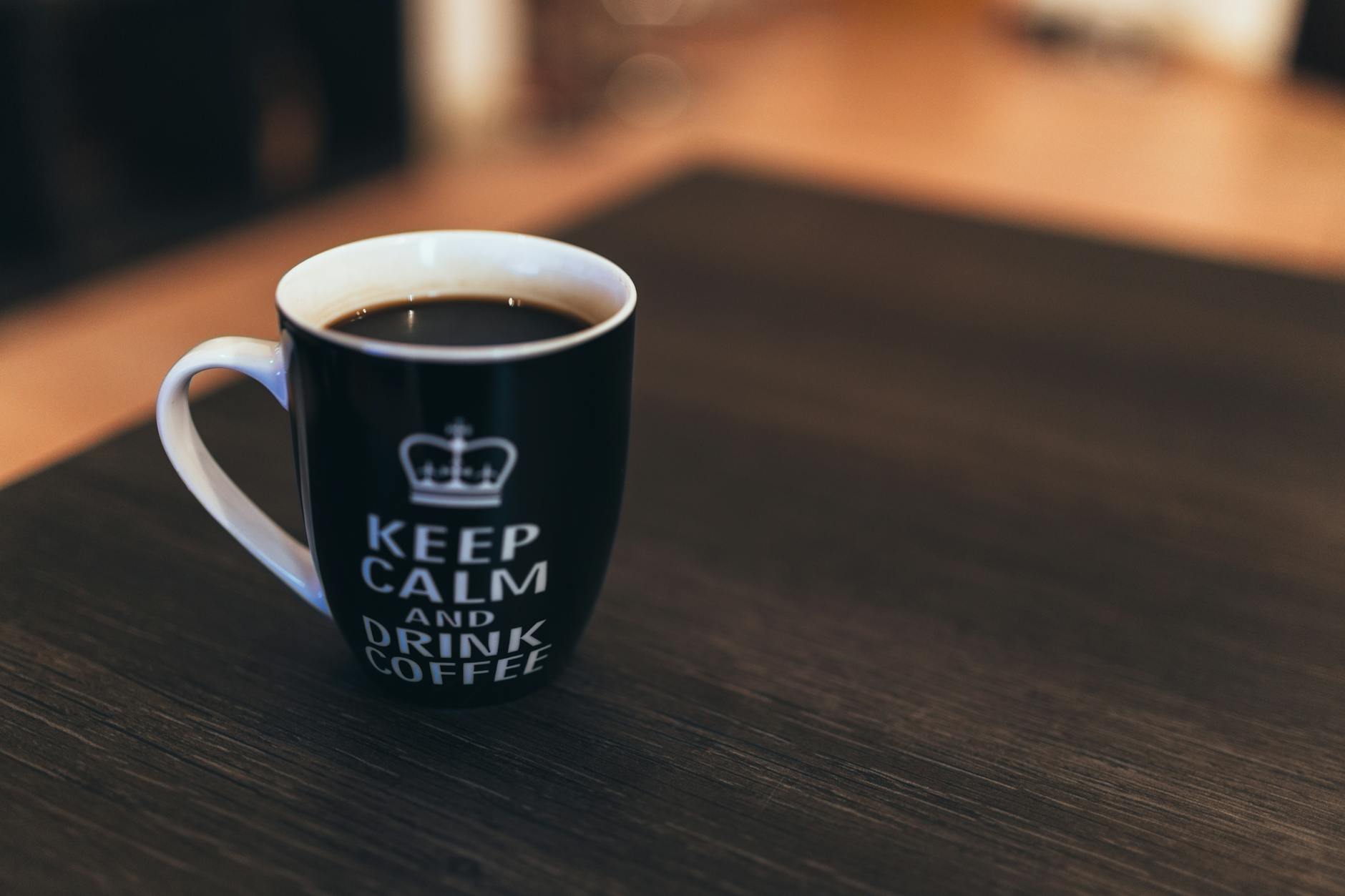
Every office has that one mug that never ends up in the dishwasher. The one with the logo that people quietly claim as their own, carry to meetings, and somehow always find its way back to their desk. That kind of brand loyalty doesn’t happen by accident — it’s the result of thoughtful mug customisation. Whether you’re a marketing manager in Melbourne planning a corporate gift campaign, a Sydney sports club wanting to reward loyal members, or a Brisbane business putting together staff welcome kits, a well-branded mug is one of the most cost-effective and enduring promotional products available. This guide walks you through everything you need to know to get it right.
Why Mug Customisation Remains a Staple of Promotional Strategy
In an age of digital overload, physical branded items still cut through. Promotional mugs sit on desks, appear in video calls, travel to kitchen benches at home, and get used multiple times a day. Research consistently shows that drinkware ranks among the most retained promotional products — recipients keep them for years, not weeks.
For Australian marketing teams, the ROI on customised mugs is hard to beat. A standard ceramic mug with a single-colour logo print can land well under $5 per unit at reasonable quantities, making it accessible for businesses of all sizes. Compare that with digital advertising costs per impression, and the economics are genuinely compelling.
Sports clubs in particular find branded mugs a versatile tool — they work as fundraising merchandise, volunteer appreciation gifts, end-of-season awards, and canteen stock. A Gold Coast football club selling custom mugs at the gate during finals season is tapping into community pride in a tangible, lasting way.
It’s also worth considering that mugs pair exceptionally well with other items in corporate gift bundles. If you’re building staff welcome kits, pairing a custom mug with personalised laptop bags for corporate welcome kits creates a cohesive, professional first impression that new team members won’t forget.
Understanding the Different Types of Custom Mugs
Before diving into decoration methods and ordering logistics, it’s worth understanding the product landscape. Not all mugs are created equal, and the type you choose will significantly influence the decoration method available, the price point, and how the finished product looks.
Ceramic Mugs
The classic choice. Ceramic mugs are the most widely available and most affordable option for mug customisation in Australia. They come in standard 300ml and 400ml sizes, are dishwasher safe (though hand washing extends print life), and suit screen printing, sublimation, and pad printing. They’re ideal for office environments, event giveaways, and bulk promotional campaigns.
Enamel and Camping-Style Mugs
These have surged in popularity, particularly for outdoor-focused brands, hospitality businesses, and events with a lifestyle or adventure angle. Perth businesses targeting the camping and outdoor market often gravitate toward enamel mugs for their rugged aesthetic. Laser engraving and sublimation both work well on enamel surfaces. For a complementary look, these pair naturally with promotional garden tools for camping and caravan shows.
Stainless Steel Travel Mugs and Keep Cups
With sustainability front of mind across Australian workplaces, stainless steel options have become a go-to for corporate gifting. They’re more expensive than ceramic at the per-unit level but perceived as premium. If your brand wants to signal environmental responsibility alongside quality, a double-walled stainless travel mug with laser-engraved branding hits that mark. You might also want to explore options alongside a custom stainless steel drink bottle for a matching drinkware set.
Takeaway Coffee Cups (Keep Cups)
Reusable branded keep cups are a brilliant choice for businesses in the food, fitness, or wellness sector. Cafés, gyms, and healthcare organisations in cities like Adelaide and Hobart have embraced these as both staff gifts and customer-facing merchandise.
Decoration Methods for Mug Customisation Explained
Choosing the right decoration method is arguably the most important decision in any mug customisation project. Each technique has distinct strengths, cost implications, and suitability depending on the mug material and design complexity.
Sublimation Printing
Sublimation is the gold standard for full-colour, all-over mug customisation. The process uses heat to transfer dye into a polymer coating on the mug surface, producing vivid, photo-quality results that wrap seamlessly around the mug. It’s ideal when your design includes gradients, photographs, or complex artwork.
One important caveat: sublimation requires a white or light-coloured base and works best on polymer-coated mugs. It’s not suitable for bare ceramic or stainless steel without a specialised coating.
Screen Printing
Screen printing delivers sharp, consistent results for simple one, two, or three-colour logos. It’s one of the most cost-effective decoration methods at volume, making it the default choice for large corporate orders or bulk event merchandise. Setup fees apply per colour, so designs with fewer colours reduce costs significantly.
Pad Printing
Pad printing uses a silicone pad to transfer ink from an etched plate directly onto the mug surface. It’s particularly well-suited to cylindrical surfaces and works reliably on ceramic, enamel, and some plastics. For simple, single-colour logos — like a club crest or company wordmark — pad printing is clean, durable, and economical.
Laser Engraving
Laser engraving removes material from the surface to reveal the base material beneath, creating a tactile, permanent mark. It’s a premium finish that suits stainless steel and enamel mugs beautifully, producing an understated, sophisticated look. Canberra government departments and professional services firms often opt for laser engraving on executive drinkware gifts where subtlety signals quality.
Ordering Mug Customisation in Australia: What to Expect
Minimum Order Quantities (MOQs)
For standard ceramic mugs with pad printing or screen printing, MOQs typically start at 36 to 72 units. Sublimation-printed mugs often have lower MOQs — sometimes as few as 12 to 24 units — because each piece is printed individually. Premium stainless steel mugs usually carry MOQs of 25 to 50 units.
If you need very small quantities for a bespoke project — say, personalised gifts for a leadership team — sublimation printing on individual mugs is your most practical and cost-effective route.
Turnaround Times
Standard production turnaround for mug customisation in Australia runs between five and ten business days from artwork approval, with shipping adding one to four days depending on your location. Darwin and regional Queensland can expect slightly longer freight times.
If you have a tight deadline, it’s worth asking suppliers whether they can accommodate rush orders or checking whether they offer same-day dispatch from a Sydney warehouse for simpler decoration jobs.
Artwork Requirements
Most suppliers require vector artwork (AI, EPS, or high-resolution PDF files) for screen printing and pad printing. Sublimation accepts raster files but at a minimum of 300 DPI at print size. Always check whether PMS colour matching is available if brand consistency is critical — some printing methods on curved surfaces can shift colours slightly, so proofing is essential.
Setup Fees and Pricing Tiers
Setup fees typically range from $30 to $80 per colour or per screen. These are one-off charges for the initial run, so they have less impact on per-unit cost at higher volumes. Most suppliers offer tiered pricing — the more you order, the lower the unit cost. At 100 units, you might pay $4.50 per ceramic mug; at 500 units, that can drop to $2.80 per unit or lower.
Practical Tips for Getting Your Mug Customisation Right
Getting the product and decoration method sorted is half the battle. The other half is project management and design decisions. Here are some practical pointers from experienced promotional merchandise buyers.
Keep your design clean. Mugs have a curved surface with a usable print area that’s smaller than it looks. Logos with fine detail can lose clarity on curved surfaces. Simple, bold designs — a logo, a tagline, a team name — almost always look better than complex artwork.
Consider the mug handle placement. When specifying artwork placement, factor in where the handle sits. Most standard print positions are on the side opposite the handle, but some organisations opt for handle-side prints or wrap-around designs. Confirm this with your supplier at the proof stage.
Order samples before large runs. For orders of 200 units or more, requesting a pre-production sample is always worthwhile. Colours can shift between screen and print, especially on curved ceramics.
Think about packaging. Mugs presented in kraft boxes or gift cartons look significantly more premium than plain poly bags. For corporate gifting campaigns, presentation matters as much as the product itself. If you’re also including other desk items like stationery, consider pairing with something from our range of plant-based office supplies for an eco-conscious bundle.
Match the mug to the occasion. A sublimation-printed ceramic mug works brilliantly for a trade show giveaway; a laser-engraved stainless travel mug suits an executive thank-you gift. A sports club rewards night might call for large ceramic mugs with bold team colours, while a charity fundraiser might lean toward enamel for its artisan appeal. For other drinkware inspiration beyond mugs, it’s worth exploring premium custom stubby holders for events and outdoor settings.
Don’t overlook the recipient experience. Promotional products that feel useful and high quality get kept. Those that feel cheap get binned. Spending a little more per unit on a heavier ceramic mug or a quality stainless steel option pays dividends in retention and ongoing brand exposure. Understanding promotional product recipient behaviour can genuinely inform smarter purchasing decisions.
Budget Planning for Mug Customisation Campaigns
For marketing teams building a budget, here’s a rough framework for common scenarios:
- Small team gift (25–50 units, sublimation ceramic): $6–$10 per unit including setup, depending on complexity
- Mid-size conference giveaway (100–250 units, screen print ceramic): $3.50–$6 per unit including setup
- Large corporate campaign (500+ units, pad print ceramic): $2.50–$4 per unit including setup
- Premium executive gifts (50–100 units, laser engraved stainless travel mug): $18–$35 per unit
Freight is an additional consideration, particularly for bulk ceramic orders which are heavy. Factor in $80–$200 for palletised freight to Melbourne or Sydney for large runs.
If you’re running a winter wellness campaign and want to position mugs as part of a broader seasonal offering, pairing them with other cold-weather items makes strong sense — explore our guide to winter promotional products in Sydney for more ideas.
Conclusion: Key Takeaways for Mug Customisation in Australia
Mug customisation is one of the most practical, versatile, and enduring investments in any promotional merchandise strategy. Whether you’re a marketing team in Adelaide building a brand awareness campaign, a Darwin sports club looking for season-end gifts, or a Melbourne business assembling corporate welcome kits, a well-made, thoughtfully branded mug delivers genuine, long-lasting value.
Here are the essential takeaways to guide your next project:
- Match the decoration method to the design — sublimation for full-colour photography, screen or pad printing for simple logos, laser engraving for premium finishes on metal and enamel
- Factor setup fees into your budget early, especially for small runs where they represent a higher proportion of total cost
- Order a pre-production sample for runs over 200 units to confirm colour accuracy and placement before committing to full production
- Choose the mug type based on the recipient and occasion — ceramic for everyday office use, stainless travel mugs for premium gifts, enamel for lifestyle and outdoor-focused audiences
- Think beyond the mug itself — packaging, companion products, and presentation all influence how the gift is received and remembered
With the right brief, the right supplier, and a clear understanding of your audience, mug customisation is one of the simplest ways to put your brand in someone’s hands — quite literally — every single day.