
Embroidered Badges Custom Made: The Complete Australian Ordering Guide
Discover how to order custom embroidered badges in Australia — covering design tips, decoration methods, MOQs, and best uses for businesses and clubs.

Written by
Lydia Park
Stationery & Office
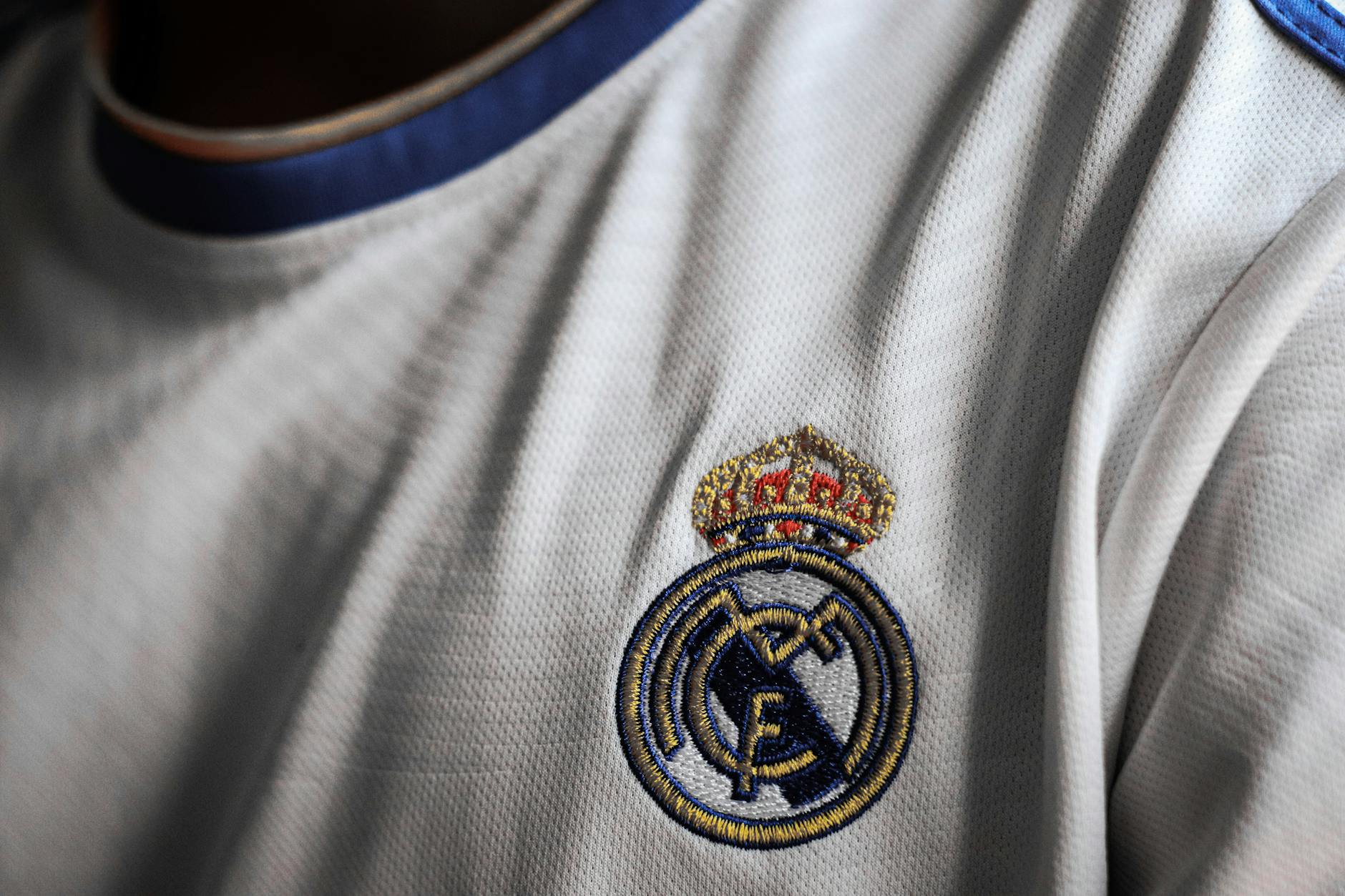
Custom embroidered badges are one of those deceptively simple promotional items that punch well above their weight. Whether you’re a marketing manager in Melbourne kitting out your sales team, a Sydney sporting club outfitting junior members, or a Brisbane school preparing for a new academic year, a well-crafted embroidered badge instantly communicates professionalism, identity, and pride. Small in size but big in impact, they’ve been a staple of branded merchandise programmes for decades — and in 2026, they remain as relevant and sought-after as ever.
This guide covers everything you need to know about ordering embroidered badges custom made for your organisation, from choosing the right construction and decoration method to understanding MOQs, turnaround times, and how to get the most from your budget.
What Are Custom Embroidered Badges and Why Do They Work So Well?
At their core, embroidered badges are fabric-backed patches with a design stitched directly into the material using coloured threads. They can be sewn onto uniforms, jackets, bags, caps, and corporate workwear, or they can be produced with an iron-on, peel-and-stick, or Velcro backing for more flexible application.
The reason they work so well comes down to perceived quality. Unlike a printed label or a stamped metal pin, embroidery has a tactile, premium feel. The raised thread texture gives logos and text genuine visual depth, which is why organisations from the Australian Defence Force to local football clubs have relied on them for so long.
From a practical marketing standpoint, embroidered badges also offer excellent longevity. They don’t fade the way screen-printed transfers can, they withstand repeated washing, and they hold their structure even on heavy-duty workwear fabrics. For brands investing in winter promotional products in Sydney or long-term uniform programmes, that durability is a genuine advantage.
Understanding the Different Types of Custom Embroidered Badges
Not all embroidered badges are created equal, and understanding the different construction types will help you make a smarter ordering decision.
Woven vs. Embroidered Badges
This is the first distinction many buyers overlook. Embroidered badges are stitched onto a twill fabric base, creating that characteristic raised look. Woven badges, by contrast, are produced on a loom where thread forms both the background and the design simultaneously — resulting in a flatter, finer finish that’s better suited to small, intricate detail work.
For bold logos, team crests, and brand icons with relatively clean lines, embroidered badges are usually the superior choice. For complex illustrations or very small text, woven may deliver sharper results.
Badge Backings: Choosing the Right Attachment Method
The backing you choose will depend entirely on the intended application:
- Sew-on backing — the most durable and permanent option, ideal for uniforms and team kits
- Iron-on backing — convenient for schools, clubs, and retail applications; heat-activated adhesive bonds to fabric
- Velcro backing — popular for tactical gear, workwear, and collectible applications where badges need to be swapped out
- Self-adhesive (peel-and-stick) — a lower-permanence option useful for events and short-term use
- Pin or clasp backing — converts the badge into a wearable lapel pin, popular for corporate name badges and award programmes
Border and Shape Options
Standard embroidered badges are cut to a merok (merrow) border — that distinctive overlocked edge you’ll recognise from sports patches. You can also order die-cut shapes with a clean laser-cut edge for a more modern, precise look. Popular shapes include circles, shields, rectangles, and fully custom outlines that follow your logo’s silhouette.
How Embroidered Badges Custom Orders Are Decorated
The decoration process for embroidered badges begins with digitising — converting your artwork file into an embroidery stitch programme. This is a skilled process that determines how threads will be laid down, which stitch types are used for fill areas versus outlines, and how the design will translate from a flat screen to raised fabric.
Quality digitising makes a significant difference to the final result. Poor digitising can cause thread puckering, gaps in fill areas, and blurred edges. When briefing your supplier, always request a digital proof of the stitch file before production begins, and ask to see a physical sample if time permits.
Colour Matching for Embroidered Badges
Most professional embroidery suppliers work from a thread colour matching system — commonly Madeira or Isacord thread ranges, which offer hundreds of colour options. If your brand has specific PMS (Pantone Matching System) colours, provide these references to your supplier and ask them to match as closely as possible to available thread colours.
Keep in mind that thread colours and printed colours will never be a perfect one-to-one match — it’s the nature of the medium. But with a good digitiser, you can get very close.
Ordering Custom Embroidered Badges: What You Need to Know
Minimum Order Quantities
For embroidered badges in Australia, MOQs typically start at 50 units, with many suppliers requiring 100 as their standard minimum. The digitising setup fee — usually between $30 and $80 depending on design complexity — is a one-time cost; once the stitch file is created, subsequent reorders are more cost-effective.
Bulk pricing tiers generally kick in at 100, 250, 500, and 1,000 units. For schools ordering house colour badges, sporting clubs producing member patches, or corporate teams outfitting multiple departments, these volume breaks can represent genuine savings.
Turnaround Times
Standard production for custom embroidered badges in Australia typically runs between 10 and 15 business days from artwork approval. If you need stock faster, enquire about rush production options. Suppliers with local warehouse capabilities — such as those offering same-day dispatch promotional products from a Sydney warehouse — may be able to accommodate tighter deadlines for in-stock or low-complexity orders.
Always factor in shipping time, especially if you’re ordering from a supplier in a different state. An Adelaide business ordering for a Perth event needs to account for interstate freight on top of production time.
Artwork Requirements
Provide your logo in vector format (.AI, .EPS, or high-resolution .PDF) wherever possible. This gives the digitiser the clearest possible reference. If you only have a low-resolution raster file (.JPG or .PNG), a graphic designer may need to recreate the artwork before embroidery digitising can begin — which adds cost and time to your project.
Keep your design relatively simple for best results. Very thin lines, tiny text under 4mm in height, and highly detailed gradients are difficult to replicate cleanly in thread. If your logo has these elements, discuss simplification options with your supplier before committing to an order.
Best Applications for Custom Embroidered Badges
Corporate and Professional Settings
For marketing teams and corporate businesses, embroidered badges add a polished touch to branded workwear, welcome kits, and staff uniforms. Pairing them with quality branded apparel — think embroidered chest badges on premium polo shirts or jackets — creates a cohesive, professional look that reflects well on your brand.
They also make excellent additions to corporate gift sets. Combined with personalised laptop bags for corporate welcome kits or USB promotional drives, a custom badge can bring a welcome pack together and give new employees something tangible to connect with the company identity.
If your organisation runs a formal recognition programme, embroidered badges can complement personalised certificates for sales achievement awards beautifully — offering a wearable, ongoing reminder of an employee’s achievement.
Sporting Clubs and Associations
This is where embroidered badges arguably shine brightest. A Gold Coast football club producing custom player patches, a Melbourne netball association creating season badges for its competition teams, or a Queensland little athletics programme awarding performance patches to young athletes — these are all perfect use cases.
For clubs investing in custom sports clothes and team kit, incorporating embroidered badges adds an extra layer of identity and pride. Pair them with well-structured apparel and you’ve got a complete uniform solution that members will wear long after the season ends.
Schools and Education Programmes
Australian schools — both primary and secondary — have a long tradition of using embroidered badges for school crests, house colours, prefect identifications, and achievement awards. Unlike printed patches, embroidered badges maintain their appearance through the rigours of the school year.
For graduation or end-of-year milestone recognition, they work well alongside personalised leather-bound certificates for graduation as part of a broader recognition package.
Events, Conferences, and Trade Shows
Custom embroidered badges at events create a sense of cohesion among staff and volunteers. They also work well as collectible merchandise or participation awards. For trade show exhibitors who want their team to present as sharp and unified, a badge on a branded jacket or lanyard instantly elevates the look.
For event merchandise ideas beyond badges, explore our range of promotional branded car fragrance clips for dealership gifts or promotional safety whistles for electrical contractors as examples of how niche, targeted merchandise can support specific industry events.
Budgeting for Embroidered Badges Custom Projects
Unit pricing for embroidered badges in Australia typically ranges from $1.50 to $6.00+ per badge depending on size, stitch count, quantity, and badge type. A basic 50mm circular badge at 500 units will come in very differently from a large, complex die-cut patch at 100 units.
When building your budget, account for:
- Digitising/setup fee (one-time, usually $30–$80)
- Unit cost based on quantity tier
- Freight and delivery
- Sample or pre-production proof (some suppliers charge for physical samples)
- Artwork preparation if your files need recreating
Reviewing promotional product recipient behaviour tracking studies can help you make the case internally for investing in quality merchandise like embroidered badges — understanding how recipients engage with and retain promotional items is valuable when justifying your merchandise budget.
Conclusion: Key Takeaways for Ordering Embroidered Badges Custom Made in Australia
Custom embroidered badges remain one of the most versatile, durable, and cost-effective branded merchandise options available to Australian businesses, sporting clubs, schools, and marketing teams. Whether you’re building out a uniform programme, running a recognition scheme, or creating event merchandise, a well-crafted embroidered badge delivers lasting impact in a compact format.
Here’s what to remember as you plan your order:
- Choose the right construction for your application — embroidered vs. woven, and the appropriate backing type (sew-on, iron-on, Velcro, or pin) will significantly affect usability and longevity
- Invest in quality digitising — the stitch file is the foundation of your badge; poor digitising leads to poor results regardless of how good the rest of the process is
- Provide clean artwork upfront — vector files and PMS colour references will save time and cost, and result in a more accurate finished product
- Plan for lead times — standard turnaround is 10–15 business days; build in buffer time for approval rounds, especially for large or complex orders
- Leverage volume pricing — digitising is a one-time cost, so higher quantities drive your per-unit price down significantly; if you anticipate ongoing demand, ordering in larger quantities or setting up a repeat order schedule makes strong financial sense