
Debossing on Custom Pens in Australia: The Complete Brand Guide
Discover how debossing on custom pens elevates your brand in Australia. Tips on costs, MOQs, artwork, and which pens suit this premium technique.

Written by
Dane Santos
Branding & Customisation
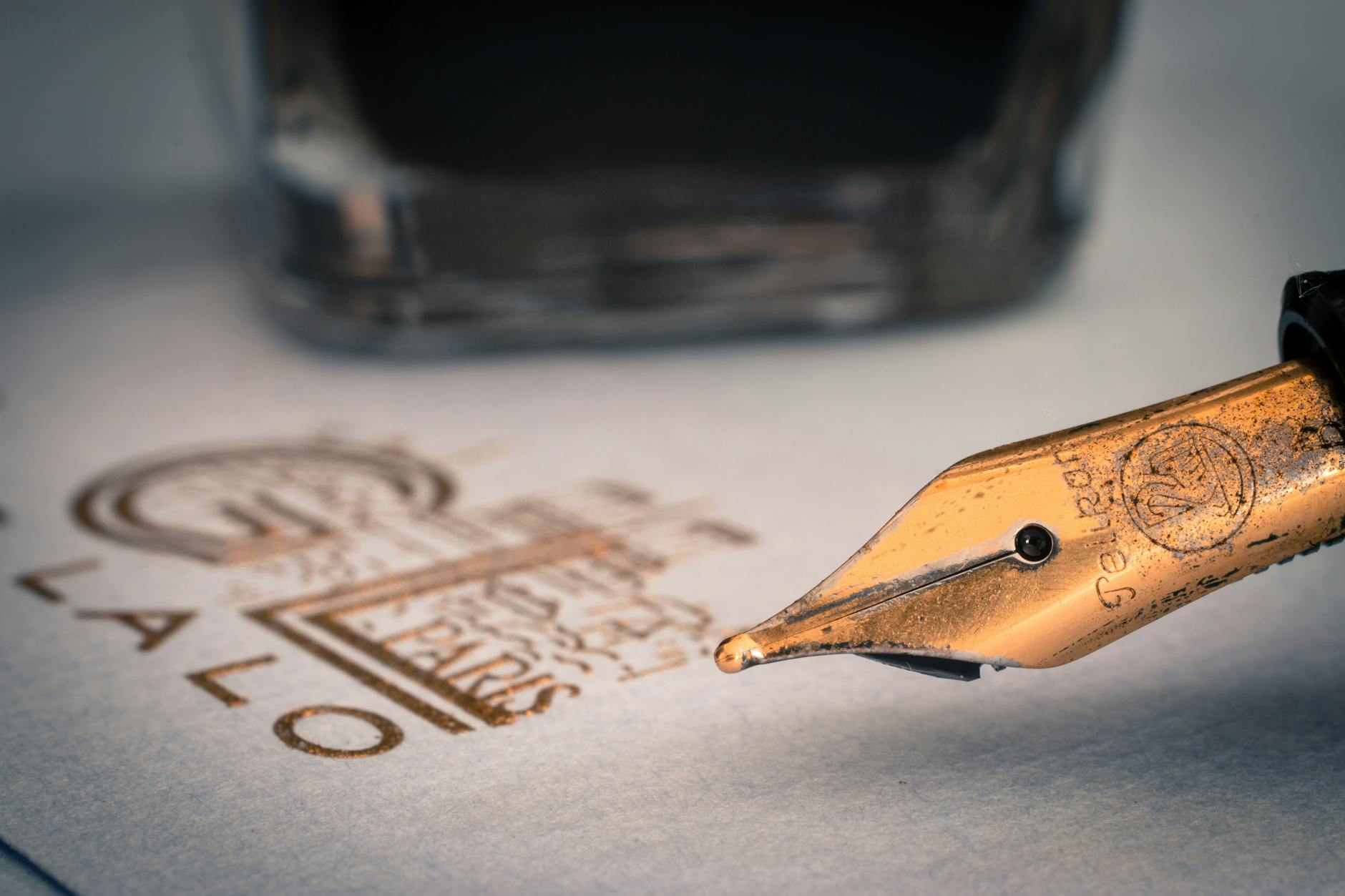
There’s something undeniably satisfying about picking up a pen and feeling your brand pressed into the barrel — a subtle, tactile impression that speaks to quality before a single word is written. Debossing on custom pens in Australia has become one of the most sought-after decoration techniques for businesses, marketing teams, and sporting clubs that want their branded merchandise to stand out from the crowd. Unlike loud screen-printed logos that shout for attention, a debossed pen whispers sophistication. And in 2026, with branded touchpoints more competitive than ever, that quiet confidence can be exactly what your audience remembers.
Whether you’re a Sydney marketing agency preparing for a client gifting campaign, a Melbourne law firm choosing premium pens for welcome packs, or a Brisbane sporting club looking to add polish to their merchandise range, understanding how debossing works — and when it’s the right choice — will help you get more value from your branded stationery spend.
What Is Debossing and How Does It Work on Pens?
Debossing is a decoration method where a custom die (a metal stamp) is pressed into a material to create a recessed, indented impression. The result is a tactile, three-dimensional effect that you can both see and feel. On pens, this technique is typically applied to the barrel, clip, or cap, depending on the pen design.
It’s worth distinguishing debossing from its close cousin, embossing. Embossing raises the design above the surface, while debossing presses it inward. Both create tactile results, but debossing tends to look cleaner and more understated on cylindrical surfaces like pens — particularly those made from leather-wrapped, rubber, or soft-touch barrels.
Which Pen Materials Are Best Suited to Debossing?
Not all pen materials respond equally well to debossing. The technique works best on:
- Soft-touch rubber or rubberised barrels — These compress beautifully under a die and hold the impression crisply. They’re the most common material you’ll see debossed on promotional pens in Australia.
- Leather-wrapped or leatherette barrels — These produce a particularly premium result, similar to the kind of impression you’d find on premium leather-bound products. The texture of the material enhances the visual depth of the debossed area.
- Metal barrels with soft-touch coating — Some metal pens feature a rubberised or soft-touch lacquer finish that can be debossed effectively, though the depth of impression is shallower than on full rubber barrels.
Hard plastic and bare metal pens are generally not suitable for debossing — these surfaces typically require pad printing, laser engraving, or screen printing instead. If you’re weighing up your decoration options across different pen styles, understanding each method’s limitations will save you time and money during the quoting process.
Why Choose Debossing on Custom Pens in Australia?
There are several compelling reasons why Australian businesses and organisations gravitate toward debossing for their branded pen programs, particularly when the recipient experience matters.
A Premium Feel Without a Premium Price Tag
High-end branded stationery can quickly eat into a marketing budget. But debossing offers a way to achieve a luxurious, tactile finish without necessarily choosing the most expensive pen on the market. A well-chosen soft-touch barrel pen with a clean debossed logo can feel far more premium than its price point suggests — making this technique especially useful for marketing teams working to maximise the perceived value of their promotional items.
For context, branded pens with debossing in Australia typically sit in the $3.00–$12.00 per unit range depending on the pen quality, barrel material, and order quantity. Volume pricing can bring this down significantly on bulk orders of 500 or more units.
Longevity and Durability
Printed logos — particularly those done with pad printing or screen printing — can wear, scratch, or fade over time, especially on frequently handled items like pens. A debossed impression, by contrast, is physically part of the material. It doesn’t peel, chip, or fade. This makes debossed custom pens particularly well-suited for gifts or merchandise that will be used daily and kept long-term, rather than short-lived event giveaways.
If longevity matters for your promotional product strategy, it’s worth reading about promotional product recipient behaviour tracking studies — research consistently shows that useful, well-made items are retained longer and generate more brand impressions over time.
Standing Out in a Cluttered Market
Corporate event bags, conference packs, and welcome kits in Australia are often filled with printed promotional items competing for attention. A debossed pen — with its clean, tactile branding — communicates a level of intentionality that recipients notice. It signals that your brand has thought carefully about presentation. For sectors like finance, real estate, law, and healthcare, that impression can be invaluable.
Artwork Requirements for Debossing on Custom Pens
Getting your artwork right is essential for a clean deboss result. Unlike full-colour printing, debossing works with a single-element die — meaning your logo or text needs to be reproduced as a bold, simplified shape.
Key Artwork Guidelines
- Keep it simple. Fine lines, intricate details, and small text do not deboss well on curved surfaces. A solid, bold logo mark or clean wordmark is ideal.
- Provide vector files. Your supplier will need your artwork in a vector format (AI, EPS, or PDF) to create the die accurately. High-resolution JPEGs or PNGs are generally not suitable for die production.
- Consider sizing carefully. The deboss area on most pens is limited — typically a rectangle approximately 35mm x 8mm to 50mm x 12mm depending on the barrel diameter. Scale your artwork to fit this space cleanly.
- One-colour (one-element) designs work best. Debossing doesn’t support gradients or multiple isolated elements in the same impression area.
If your current logo is highly detailed and not immediately adaptable for debossing, consider working with a graphic designer to create a simplified version or monogram specifically for merchandise use. Many Australian businesses maintain a secondary “icon-only” version of their logo precisely for this purpose.
Minimum Order Quantities and Turnaround Times
For debossing on custom pens in Australia, minimum order quantities (MOQs) typically start at 50–100 units for standard soft-touch barrel pens. Premium leather-wrapped styles may have higher MOQs of 100–250 units due to the cost of die production.
Setup fees are common with debossing because a custom die must be produced for your specific artwork. This is usually a one-off cost ranging from $40 to $80 + GST, which is amortised across your total order volume. On repeat orders using the same die, setup fees are often waived or reduced.
Turnaround times in Australia generally range from 10–15 business days after artwork approval, though expedited options are sometimes available for urgent campaigns. If you’re ordering for a specific event — a conference, product launch, or end-of-financial-year gifting campaign — build in at least three weeks from order placement to allow for proof approval, production, and delivery to your location, whether that’s Darwin, Adelaide, Hobart, or anywhere in between.
Pairing Debossed Pens With Complementary Merchandise
Debossed pens work beautifully as part of a coordinated branded merchandise set. The tactile, premium quality of the decoration style pairs particularly well with other sophisticated items in a gift pack or desk set.
Some strong pairing options to consider:
- Branded notebooks with debossed or soft-touch covers — a natural companion piece that creates a cohesive desk set
- Custom USB drives — if you’re building a tech-and-stationery welcome pack, take a look at USB promotional drives for ideas on complementary pieces
- Premium drinkware — premium custom stubby holders or keep cups round out a gift set with a practical everyday item
- Eco-friendly office supplies — for sustainability-conscious brands, coordinating with plant-based office supplies creates a cohesive, values-aligned gift experience
- Custom lanyards for events — if you’re building a full conference pack, no minimum custom lanyards can help you fill out smaller runs without inflating your budget
Building a cohesive merchandise pack around a debossed pen elevates the entire unboxing experience and strengthens the overall brand impression.
Debossing vs Other Pen Decoration Methods
It’s worth understanding how debossing stacks up against the alternatives before committing to your decoration method.
- Pad printing — The most common and affordable method for pens. Supports full colour and fine detail, but lacks the tactile quality of debossing. Best for budget-conscious campaigns with detailed logos.
- Laser engraving — Ideal for metal pens. Creates a precise, permanent mark by removing material. Slightly similar in aesthetic to debossing but with sharper lines and a more industrial feel. Great for metal executive pens.
- Screen printing — Rarely used on pens due to the curved surface, but occasionally applied to flat pen components. Bold and colourful, but less premium than debossing.
- Debossing — Best for soft-touch, rubber, or leatherette pens where a tactile impression is the goal. Ideal for premium gift packs, client gifting, and high-retention branded items.
For a broader look at how different techniques affect the finish and feel of promotional products, our guide to achieving metallic finishes on promotional products offers useful context on premium decoration thinking.
Which Industries and Occasions Suit Debossed Pens Best?
Debossing on custom pens in Australia tends to resonate most with audiences where quality signals matter. Some of the best use cases include:
- Corporate client gifting — Especially in financial services, professional services, and real estate, where brand perception is closely tied to quality
- New employee onboarding kits — A debossed pen in a welcome pack communicates that the organisation invests in its people
- Award and recognition programs — Paired with personalised certificates for sales achievement awards, a debossed pen adds a tactile dimension to the recognition moment
- Conference and event packs — For premium conferences targeting senior decision-makers or executives, debossed pens are a step above the standard printed giveaway
- Sporting club merchandise — Clubs looking to offer supporters something more polished than a basic printed pen — particularly in premium supporter or membership tiers — will find debossed pens add genuine perceived value to custom sports merchandise
Key Takeaways
Debossing on custom pens in Australia is one of the most effective ways to elevate branded stationery from a forgettable freebie to a considered, quality touchpoint. Here’s what to remember before you start your next order:
- Debossing works best on soft-touch, rubber, or leatherette barrel pens — avoid hard plastic or bare metal if you specifically want this technique
- Keep your artwork bold and simple — fine detail and small text will not reproduce well in a debossed impression
- Budget for a one-off die setup fee, but know this is typically waived on repeat orders using the same die
- MOQs usually start from 50–100 units, making debossed pens accessible for small business campaigns as well as large corporate programs
- Pair debossed pens with complementary merchandise to build a cohesive, premium branded gift experience that recipients keep and use long after the event
When you invest in debossing on custom pens, you’re not just putting your logo on a writing instrument — you’re creating a branded touchpoint with staying power, one that communicates care and quality every single time it’s picked up.