
The Complete Guide to Ordering a Customised Water Bottle for Your Brand
Everything Australian businesses, marketing teams & sports clubs need to know about ordering customised water bottles in 2026.

Written by
Piper Wong
Drinkware
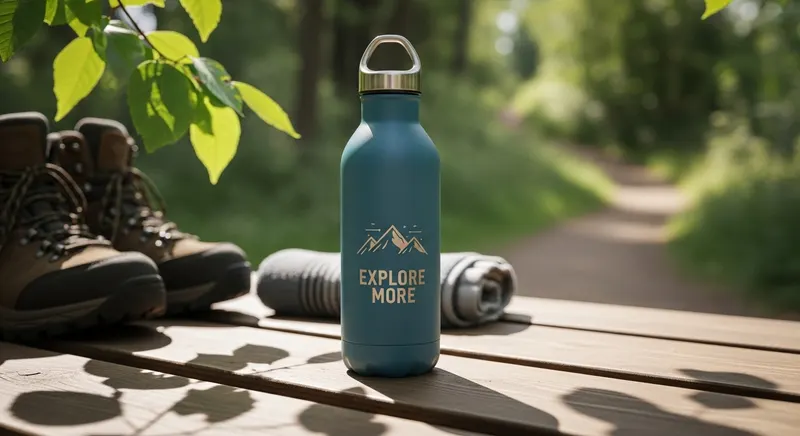
Whether you’re kitting out a corporate wellness program, gearing up for a major trade show, or organising team merchandise for your local footy club, a customised water bottle is one of the smartest branded products you can invest in. It’s practical, visible, and used daily — giving your logo far more airtime than a flyer ever could. In fact, few promotional items combine utility and brand exposure as effectively as a quality branded drink bottle. But with so many materials, sizes, decoration methods, and suppliers to navigate, ordering custom water bottles for the first time (or even the fifth time) can feel overwhelming. This guide walks you through everything you need to know, from choosing the right bottle to getting your artwork print-ready.
Why a Customised Water Bottle Delivers Exceptional Brand Value
Before diving into the how, it’s worth understanding the why. Promotional products work best when they’re items people actually use. A branded pen might sit in a drawer. A branded tote bag might get stuffed under a bed. But a water bottle? It goes to the gym, the office, school drop-off, the sporting field, and weekend hikes. That’s daily, repeat brand exposure across multiple environments.
For marketing teams in Sydney and Melbourne managing corporate gifting budgets, the cost-per-impression on a quality branded water bottle is remarkably low. Think about it: a $15–$25 bottle used twice a day for two years delivers thousands of logo impressions — often in front of new audiences every time the recipient takes it out in public.
For sports clubs in Brisbane, Perth, and Adelaide, custom water bottles also serve a dual purpose: they’re functional gear for training sessions and a visible symbol of team identity. A well-designed bottle can strengthen club culture, particularly when paired with other merchandise like custom team tote bags or personalised gym towels.
Choosing the Right Material for Your Customised Water Bottle
Not all water bottles are created equal, and the material you choose will significantly affect the look, feel, price, and safety of your product. Here’s a breakdown of the most common options.
Stainless Steel
Double-wall vacuum-insulated stainless steel bottles are currently the most popular choice for premium branded merchandise. They keep drinks cold for up to 24 hours and hot for up to 12 hours, making them year-round favourites. They’re durable, they look premium, and they engrave beautifully. If you’re ordering corporate gifts for executives or VIP clients, stainless steel is typically the go-to.
Laser engraving is the preferred decoration method for stainless steel, producing a clean, permanent mark that won’t peel or fade. For colour branding, pad printing or full-colour digital printing are both excellent options, depending on your budget.
BPA-Free Plastic
Plastic bottles are lightweight and cost-effective, making them ideal for large-volume runs — think events, school sports carnivals, or conference giveaways. The key word here is BPA-free. If you’re not familiar with why this matters, our explainer on what BPA is and why it’s important is essential reading before you order. You can also dig deeper into bisphenol A and what it means for your products to understand the health implications for your recipients.
BPA-free plastic bottles typically accept screen printing and pad printing well, and they’re available in a huge range of colours. MOQs (minimum order quantities) for plastic bottles often start as low as 50–100 units, making them accessible even for smaller organisations.
Aluminium
Aluminium bottles are a middle ground between stainless steel and plastic. They’re lightweight, reasonably affordable, and give off a slightly more premium feel than standard plastic. They’re well-suited to sublimation printing, which allows for vibrant, full-colour, all-over designs — a popular choice for sports clubs wanting bold, eye-catching team branding.
Tritan and Other Copolyester Plastics
Tritan is a durable, clear plastic that offers a premium look without the premium price tag of stainless steel. It’s impact-resistant, dishwasher-safe (in many cases), and completely BPA-free. It’s a popular choice for corporate wellness programs and school-age recipients.
If you’re unsure which material best suits your needs, reviewing our guide to the best water bottle brands and materials can help you compare options in more detail.
Decoration Methods: Getting Your Logo on the Bottle
Once you’ve chosen your bottle, the next decision is how to apply your branding. Each method has pros and cons depending on your design, budget, and material.
Laser Engraving
Best for stainless steel and aluminium. Laser engraving removes the surface coating to reveal a contrasting metallic or matte finish underneath. The result is elegant, permanent, and incredibly durable. It’s the premium choice for corporate gifts and high-end merchandise.
Pad Printing
A cost-effective, reliable method suitable for most hard-surface bottles. It’s ideal for simple logos with one or two spot colours and works well on plastic, aluminium, and stainless steel. Pad printing is widely used for mid-range promotional runs.
Screen Printing
Similar to pad printing in cost and application, screen printing suits flat or gently curved surfaces and delivers solid, vibrant results. If you’re producing a large volume of plastic bottles and want consistent, bold branding, screen printing is a strong choice. For more on this decoration method, our guide to screen printing custom apparel and products covers the basics.
Sublimation Printing
Sublimation allows for full-colour, photo-quality prints that wrap around the bottle seamlessly. It’s the best option for complex, multi-colour designs. Note that sublimation only bonds to specific materials (typically white or light-coloured aluminium or specially coated stainless steel), so it’s not universally applicable.
Embossing and Debossing
Some soft-touch or rubberised bottles accept debossing — where your logo is pressed into the surface — for a tactile, premium effect. This is less common but highly effective for boutique or high-value gifting.
Artwork Requirements: Getting Your Files Right
One of the most common delays in the ordering process comes down to artwork. Submitting the wrong file format can add days to your turnaround time and, in some cases, compromise the quality of your final product.
For most decoration methods, suppliers require a vector art file — typically an AI, EPS, or PDF format from Adobe Illustrator. These files are infinitely scalable without losing quality, which is essential when adapting your logo to different print sizes. If you’re not sure what vector art is or how to obtain it, our explainer on vector art files and why they matter will walk you through everything.
You’ll also want to ensure your brand colours are specified in PMS (Pantone Matching System) values, particularly if colour accuracy is critical to your brand guidelines.
The Proofing Process: Don’t Skip This Step
Before your order goes into production, you’ll receive a proof — either a virtual mockup or, for larger orders, a physical pre-production sample. Understanding the difference between these options is important, especially when you’re ordering hundreds or thousands of units. Our detailed breakdown of virtual proofs versus physical samples for promotional products explains when to request each and what to look for during the approval process.
Never approve a proof without checking logo placement, colour accuracy, text sizing, and the overall proportions on the bottle. Mistakes caught at the proof stage are free to fix. Mistakes caught after production are expensive.
Budgeting and MOQs for Custom Water Bottle Orders
Pricing for customised water bottles varies considerably based on material, decoration method, quantity, and supplier. Here’s a general guide for 2026:
- BPA-free plastic bottles: $4–$10 per unit at quantities of 100–500
- Aluminium bottles: $8–$15 per unit at quantities of 100–500
- Stainless steel insulated bottles: $15–$30 per unit at quantities of 50–250
- Premium vacuum-insulated with laser engraving: $25–$45 per unit at quantities of 50–100
Most suppliers charge a one-off setup fee per colour or position, typically ranging from $40–$80. This covers screen preparation, laser programming, or pad setup. The more units you order, the lower your cost per unit — bulk pricing tiers usually kick in at 50, 100, 250, and 500 units.
If you’re planning a broader merchandise campaign — say, for an end-of-year event or a staff wellness initiative — it’s worth bundling your water bottle order with other items like custom branded polo shirts or personalised notebooks and stationery to maximise your setup cost efficiency.
Turnaround Times: Planning Your Order Timeline
Standard turnaround for most customised water bottles is 10–15 business days from artwork approval. Rush orders (5–7 business days) are available from many suppliers but typically attract a surcharge of 15–25%.
If you’re ordering for a specific event — a Gold Coast conference, a Perth trade expo, a Canberra government briefing — always build in buffer time. Allow at least 3–4 weeks from the time you begin the ordering process to the time the products need to be in your hands. Artwork revisions, proof approvals, and shipping can each add days to your timeline.
For Sydney-based businesses, our guide to winter promotional products and lead times in Sydney offers additional context on managing seasonal ordering peaks.
Pairing Your Water Bottle with Other Branded Merchandise
A customised water bottle is a powerful standalone item, but it really shines as part of a coordinated merchandise bundle. Some popular combinations include:
- Corporate welcome kits: Water bottle + branded notebook + custom USB drive (see our range of promotional USB drives and novelty USB options)
- Sports club packs: Water bottle + branded tote or backpack + wristbands (check our guides on event wristbands and wristbands for sporting events)
- Event packages: Water bottle + branded umbrellas + event wristbands
- Trade show giveaways: Water bottle + tote bag + stationery, all in matching brand colours
Coordinating your merchandise into a cohesive kit creates a stronger brand impression and makes your investment go further.
Key Takeaways
Ordering a customised water bottle doesn’t have to be complicated — but getting the details right makes a significant difference to the quality and impact of your final product. Here’s a quick summary of the most important points from this guide:
- Choose your material based on use case and budget — stainless steel for premium gifting, BPA-free plastic for high-volume events, aluminium for a balance of both
- Match your decoration method to your material — laser engraving for stainless steel, sublimation for full-colour aluminium, pad printing for cost-effective spot-colour applications
- Submit vector artwork in the correct format — AI, EPS, or PDF with PMS colour references to avoid delays and quality issues
- Always review your proof carefully before approving production — this is your last chance to catch errors at no cost
- Plan your timeline generously — allow 3–4 weeks end-to-end, and consider bundling your water bottle with complementary products to maximise the value of your setup fees and campaign impact
A well-chosen, beautifully branded customised water bottle isn’t just a giveaway — it’s a daily brand touchpoint that travels with your audience wherever they go. With the right planning and the right product, it’s one of the highest-performing promotional items available to Australian businesses, clubs, and organisations in 2026.