
Custom Tee Shirts: The Complete Australian Buying Guide for Businesses and Clubs
Everything Australian businesses, marketing teams and sports clubs need to know about ordering custom tee shirts — decoration, MOQs, budgets and more.

Written by
Cleo Wright
Custom Apparel
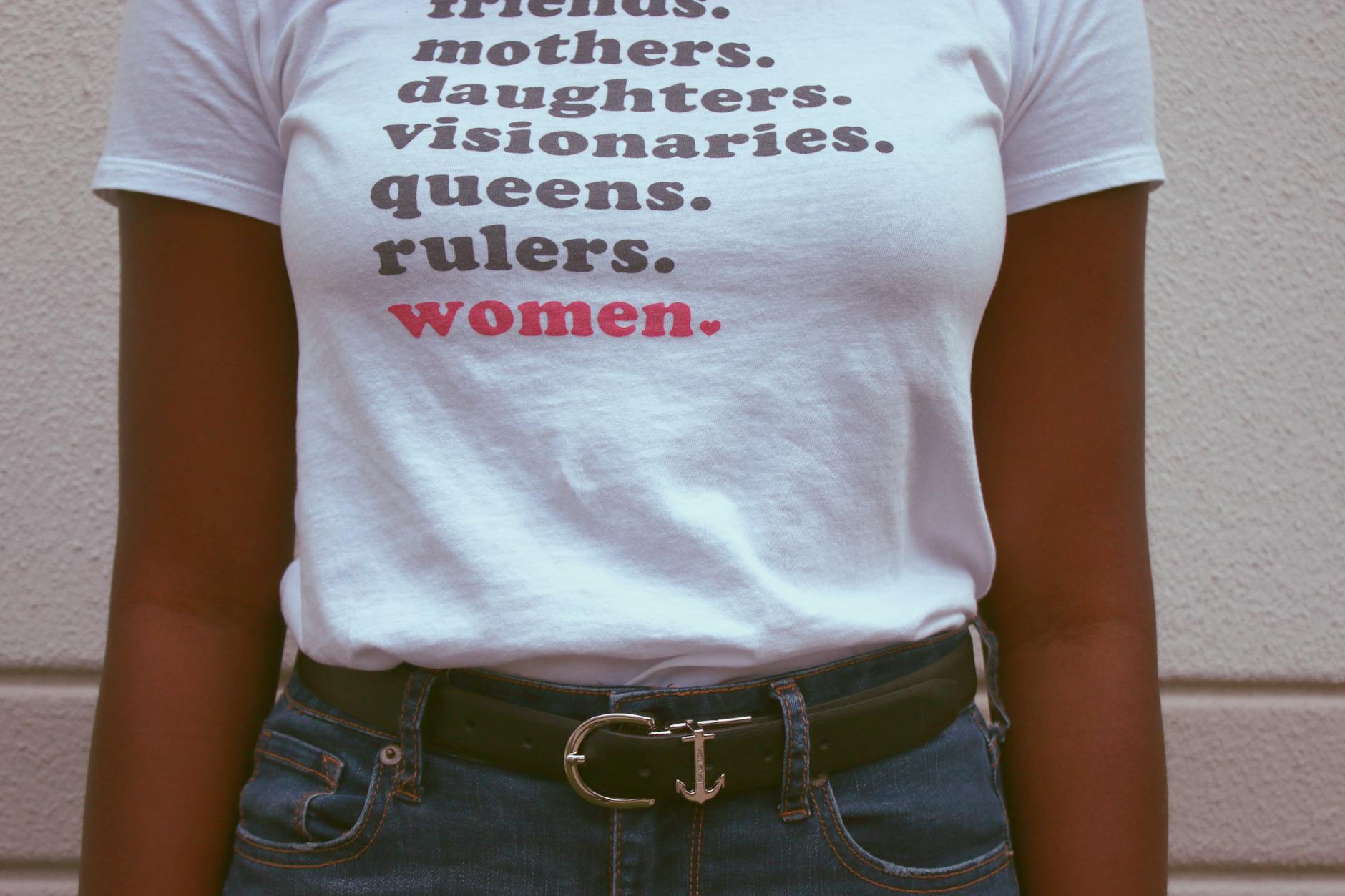
Whether you’re kitting out your sales team for a trade show in Sydney, organising uniforms for a junior footy club on the Gold Coast, or putting together branded merchandise for a product launch in Melbourne, custom tee shirts remain one of the most versatile and cost-effective tools available. They’re wearable, practical, and carry your brand into the world every time someone pulls one on. But with so many fabric options, decoration methods, and suppliers to navigate, knowing where to start can feel overwhelming. This guide cuts through the noise and gives you a clear, practical roadmap for ordering custom tees that actually deliver results.
Why Custom Tee Shirts Are Still a Marketing Powerhouse
It might seem like branded merch has grown more sophisticated in recent years — and it has — but the humble tee shirt has never lost its edge. In fact, for sheer cost-per-impression, few promotional products come close. A quality branded tee worn regularly in public generates repeated exposure without any ongoing cost on your part. Unlike a digital ad that disappears after a scroll, a well-designed tee shirt can stay in active rotation for two or three years.
For Australian businesses looking to increase brand awareness without blowing the marketing budget, custom tees make an incredibly strong case. They work equally well across sectors — from a Brisbane startup handing out tees at a launch event to a Perth mining company issuing branded workwear to contractors. The format is universal; it’s your design, quality, and planning that make the difference.
Sports clubs in particular have long relied on custom tees as part of their broader uniform and merchandise strategy. A Canberra netball club might order training tees for players, supporter tees for the sideline crowd, and junior tees for the kids’ squad — three different audiences, one cohesive brand identity.
Understanding Your Options: Fabrics, Fits, and Styles
Before you even think about artwork, you need to nail down the physical product. The tee shirt market in 2026 offers a wide range of base garments, and the wrong choice can undermine even the best design.
Fabric Weight and Composition
Cotton and cotton-blend tees are the most popular choice for custom printing in Australia. A 180gsm cotton tee is a good all-rounder — comfortable, holds ink well, and stands up to regular washing. For sportswear applications, polyester or performance blends with moisture-wicking properties are worth the extra consideration, especially in Queensland or the Northern Territory where heat is a real factor.
Bamboo and organic cotton options are growing in demand, particularly among businesses with sustainability commitments. If your organisation has a green focus, pairing an eco-conscious garment with your logo sends a consistent message to your audience.
Fit and Sizing
Australian sizing tends to run slightly different from US sizing charts, so always request a size run guide from your supplier before confirming the order. Unisex, fitted, and relaxed cuts all carry different brand impressions. Fitted cuts suit fashion-forward brands; relaxed or straight-cut styles work better for team uniforms or event giveaways where comfort and inclusivity across body types matter more.
Don’t overlook extended sizing. Ordering custom tees that only go up to XL can leave some team members or supporters feeling excluded. Most reputable suppliers offer up to 5XL, though stock levels in extended sizes can vary.
Decoration Methods: Choosing the Right Print for Your Custom Tees
This is where many organisations get caught out. The decoration method you choose affects cost, colour accuracy, durability, and what artwork styles are achievable. Let’s break down the most common options.
Screen Printing
Screen printing is the industry standard for bulk orders of custom tee shirts. It produces vivid, durable results and is the most cost-effective option when you’re ordering 50 or more units of the same design. Each colour in the design requires a separate screen (and usually a setup fee per colour), so simpler designs with one to four colours are where screen printing really shines.
Setup costs typically range from $30 to $60 per colour, per print location. Once those screens are made, the per-unit cost drops significantly — which is why the unit economics improve dramatically at higher quantities. A Melbourne sporting club ordering 150 tees in club colours will get a very different per-unit price to an office ordering a dozen.
Direct-to-Garment (DTG) Printing
DTG printing uses inkjet technology to print directly onto the fabric, making it ideal for photographic images, complex gradients, and designs with many colours. There are no screen setup fees, which makes it attractive for smaller runs. The trade-off is that DTG typically costs more per unit at high volumes and works best on 100% cotton or high-cotton-content garments.
If your brand uses a detailed logo or you’re producing a limited run for a special campaign, DTG is worth serious consideration.
Heat Transfer and Sublimation
Sublimation printing is popular for sportswear and performance tees because the dye bonds directly with polyester fibres, producing full-colour prints that won’t crack or peel. It’s excellent for all-over print designs and vibrant colours. The catch is that sublimation only works effectively on white or very light-coloured polyester garments.
Heat transfer vinyl (HTV) is a solid option for names, numbers, and simple designs — particularly for sports teams where individual personalisation is needed.
Embroidery
While not traditional for tees (it’s more at home on polos and caps), embroidery on a chest logo can elevate the perceived quality of a tee in certain contexts. Think boutique fitness studios or premium brand merchandise rather than mass event giveaways.
Ordering Custom Tee Shirts: Key Practical Considerations
Getting the logistics right is just as important as the design itself. Here’s what to keep in mind before you place your order.
Minimum Order Quantities (MOQs)
Screen printing almost always comes with a minimum order quantity, typically starting at 25 to 50 units depending on the supplier. DTG and heat transfer methods often have lower MOQs or even print-on-demand options. If you only need a handful of tees, DTG is your friend; if you’re outfitting a team or running a large event, bulk screen printing is almost certainly the smarter path.
Artwork Requirements
For clean print results, supply your logo in vector format (AI, EPS, or high-resolution PDF). Raster images like JPEGs often don’t scale cleanly to print sizes. Most suppliers will flag artwork issues during the proof stage, but submitting print-ready files from the start avoids delays and potential artwork correction fees.
PMS (Pantone Matching System) colour references are worth providing if brand colour accuracy is critical to you. Screen printing can match PMS colours closely; DTG and sublimation use CMYK processes, which may produce slight variations.
Turnaround Times
Standard turnaround for custom tees in Australia is typically two to three weeks from artwork approval. Rush orders can sometimes be accommodated for an additional fee, but this varies significantly by supplier. If you’re ordering for a specific event — a Sydney conference, a Brisbane school sports day, an Adelaide product launch — build in at least four to five weeks from initial enquiry to account for back-and-forth on artwork and sizing.
Budgeting for Custom Tees
Budget expectations vary widely. A basic screen-printed tee in a single colour might come in at $12 to $18 per unit on a 100-piece order, while a premium full-colour DTG print on a quality garment could reach $30 or more per unit at lower quantities. Bulk ordering is your most powerful lever for reducing cost per unit.
For businesses incorporating custom tees into their broader promotional products strategy for corporate teams, tees often sit alongside other branded items in onboarding kits, event packs, or employee Christmas gifts — meaning they’re not always evaluated in isolation.
Design Tips That Make Your Custom Tees Work Harder
A well-executed design is what transforms a plain garment into a genuine brand asset. A few principles worth keeping in mind:
- Keep it readable at a glance. Logos and text should be legible from a few metres away. Avoid overly intricate fonts or tiny detail work that won’t survive the printing process.
- Consider placement carefully. Left chest, full front, full back, and sleeve prints all communicate differently. A left chest logo reads as professional; a full-back design makes more of a statement in a crowd.
- Limit your colours. Every additional colour in a screen print adds to the setup cost. Two to three colours in a strong composition will almost always outperform a cluttered six-colour design.
- Think about the garment colour. Dark garments limit your ink colour options (white underbase prints add cost and can affect feel). Light and mid-tone garments give you the most flexibility.
A well-designed custom tee works as an easy-to-execute promotional product that recipients will actually want to wear — and that’s the whole point.
Conclusion: Key Takeaways for Ordering Custom Tee Shirts in Australia
Custom tee shirts continue to deliver exceptional value for Australian businesses, marketing teams, and sporting clubs when ordered with clear goals and solid planning. Before you finalise your next order, keep these fundamentals front of mind:
- Choose your decoration method based on quantity and design complexity — screen printing for bulk simple designs, DTG for smaller runs or complex artwork, sublimation for performance sportswear.
- Get your artwork right from the start — vector files, correct colour references, and print-ready assets save time and prevent costly errors.
- Plan around realistic turnaround times — four to five weeks from enquiry to delivery is a safe timeline for most orders, especially if samples or proofs are required.
- Use quantity to your advantage — the unit cost of custom tees drops significantly as volumes increase, making bulk orders far more economical.
- Think beyond the event — a quality custom tee worn repeatedly in public generates ongoing brand exposure long after the campaign ends, making it one of the best value branded merchandise items available.
With the right approach, your custom tees won’t just look great on the day — they’ll keep working for your brand for years to come.