
Custom Print Shirts in Australia: The Complete Ordering Guide for 2026
Everything Australian businesses, marketing teams & sports clubs need to know about ordering custom print shirts — decoration, MOQs, budgets & more.

Written by
Cleo Wright
Custom Apparel
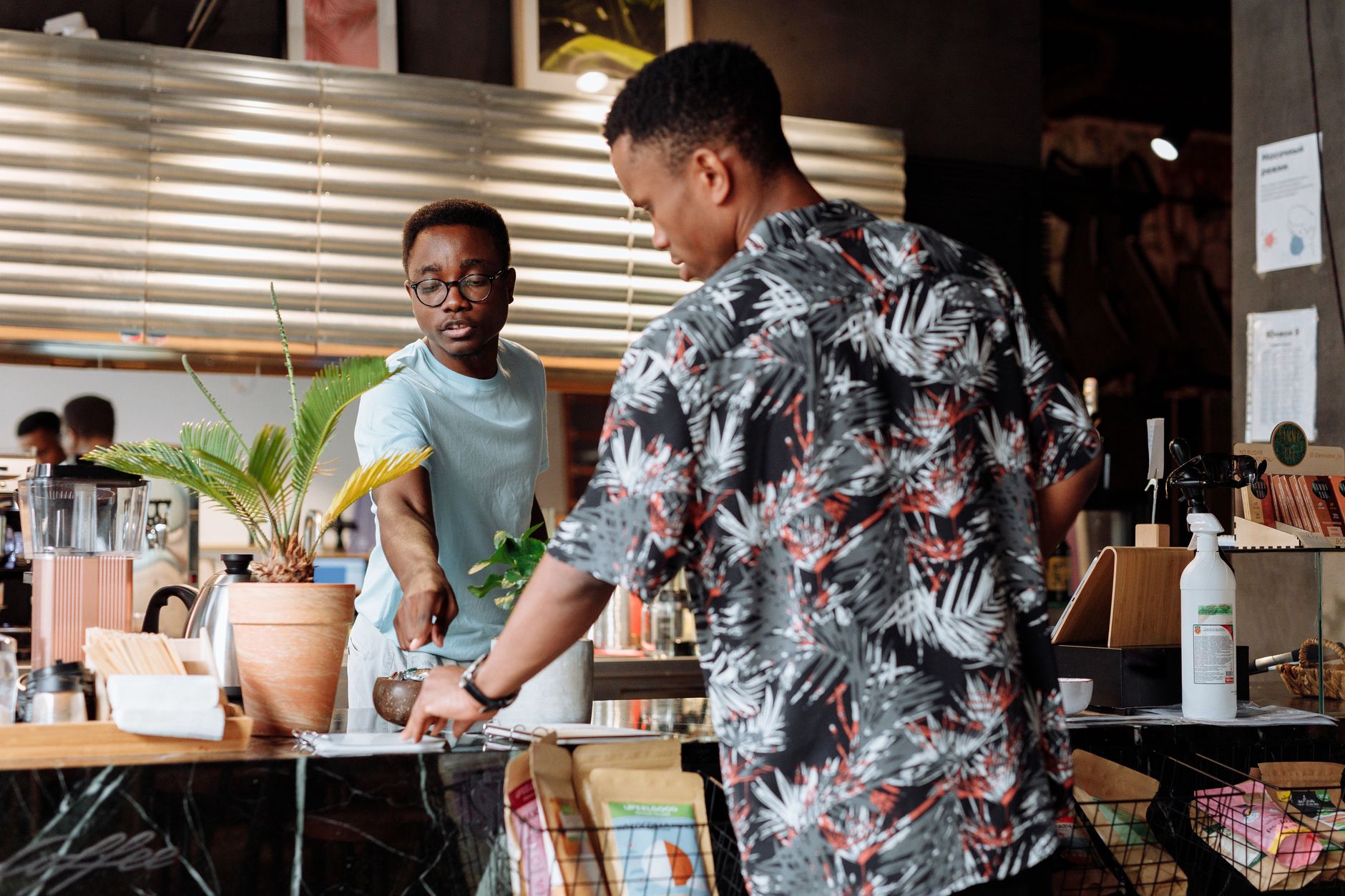
Getting your brand onto a shirt sounds straightforward enough — slap a logo on a tee and you’re done, right? If only it were that simple. The reality of ordering a custom print shirt in Australia involves a series of decisions that can mean the difference between a polished, professional result and a batch of merchandise you’d rather hide in a storeroom. Whether you’re a Sydney marketing manager preparing for a trade show, a Brisbane sporting club kitting out its junior teams, or a Melbourne business looking to send branded gifts to clients, this guide will walk you through everything you need to know to get it right the first time.
Why Custom Print Shirts Remain One of Australia’s Most Popular Promotional Products
Shirts are wearable billboards. There’s no subtler way to put it. When an employee wears your branded tee to the gym, or a sports club member rocks up to a weekend fixture in their team kit, your logo travels with them — into shopping centres, onto public transport, across social media. Few promotional materials offer that kind of organic reach at such an accessible price point.
The Australian market has embraced custom apparel enthusiastically. From Hobart cafés dressing their staff in branded polos to Darwin construction companies decking out crews in hi-vis printed workwear, custom shirts have become a staple across virtually every industry and sector. The versatility is hard to beat — they work for uniform programs, giveaway campaigns, charity fundraisers, team-building events, school carnivals, and conference swag bags alike.
Beyond visibility, there’s also a strong psychological component. Branded apparel creates a sense of belonging. Staff in matching uniforms feel more cohesive. Sports clubs build identity. Businesses signal professionalism. When you invest in quality custom print shirts, you’re not just promoting a brand — you’re building culture.
Understanding the Key Decoration Methods for Custom Shirts in Australia
Before you contact a supplier, it pays to understand your decoration options. The method used to apply your design dramatically affects the final look, durability, and cost of your order.
Screen Printing
Screen printing is the workhorse of the custom shirt industry and the most popular choice for bulk orders in Australia. It involves pushing ink through a mesh screen (one per colour in your design) directly onto the fabric. The result is vivid, durable, and cost-effective at scale.
Best for: Simple designs with 1–6 colours, large volume orders, cotton or cotton-blend shirts
Typical MOQ: 20–50 units, depending on the supplier
Pros: Excellent colour vibrancy, long-lasting print, reduces in cost per unit as quantity increases
Cons: Not ideal for highly detailed photographic images; each additional colour adds to setup costs
Screen printing is the go-to method for sporting clubs ordering 50-plus shirts, corporate teams running large campaigns, and anyone who needs consistent, bold results across a big run. Understanding the full picture of screen printing vs embroidery and other decoration methods can help you choose the right approach for your specific brief.
Embroidery
Embroidery stitches your design directly into the fabric, creating a textured, premium finish that’s particularly popular on polo shirts, caps, and workwear. It conveys a corporate, professional aesthetic that screen printing can’t quite replicate.
Best for: Polo shirts, corporate uniforms, caps, jackets
Typical MOQ: 12–24 units
Pros: Premium look and feel, extremely durable, doesn’t crack or fade like some prints
Cons: Not suitable for highly detailed or photographic designs; can feel stiff on lightweight fabric
A Perth financial firm kitting out its team in embroidered polo shirts projects a very different brand impression than the same design screen printed on a t-shirt. Know the occasion and the audience before choosing.
Direct-to-Garment (DTG) Printing
DTG printing works much like an inkjet printer — it applies ink directly to the fabric surface with remarkable precision. It handles full-colour, photographic-quality designs with ease and doesn’t require screen setup fees.
Best for: Small runs, complex designs, photographic images, individual or personalised items
Typical MOQ: As low as 1 unit
Pros: No setup fees, excellent for detailed artwork, ideal for small quantities
Cons: Can be more expensive per unit than screen printing at high volumes; works best on 100% cotton
DTG is perfect for a Gold Coast start-up that needs 10 staff shirts in a hurry without setup fees, or a business trialling a design before committing to a large run.
Sublimation Printing
Sublimation printing bonds dye directly into polyester fabric at a molecular level, producing all-over designs with stunning colour saturation. It’s particularly popular in the sporting and activewear space.
Best for: Polyester garments, activewear, sports uniforms, all-over print designs
Typical MOQ: Varies; typically 10–25 units
Pros: Unlimited colour, all-over printing capability, wash-resistant
Cons: Only works on white or light polyester fabric; not suitable for cotton
An Adelaide football club wanting uniquely designed, fully sublimated guernseys will find this method delivers results no other technique can match.
Choosing the Right Shirt Style for Your Needs
The shirt style you select should match the end use, the wearer, and the brand image you want to project. Here’s a quick breakdown of the most common options.
Basic Crew-Neck T-Shirts
The classic choice. They’re casual, comfortable, affordable, and universally understood. Great for events, giveaways, volunteer programs, and sporting clubs. Look for 180–200gsm cotton for a quality feel without excessive cost.
Polo Shirts
Polos offer a smart-casual aesthetic that works for retail, hospitality, trade shows, and corporate environments. They’re commonly embroidered rather than screen printed, and they photograph well for team directories and marketing materials.
Performance and Activewear Shirts
Moisture-wicking polyester shirts designed for physical activity. Ideal for gyms, sporting teams, outdoor events, and trade businesses. Sublimation is the most popular decoration method here.
Workwear and Hi-Vis Shirts
For trade and construction industries, hi-vis workwear shirts must meet relevant Australian safety standards. These can be branded via screen printing or embroidery, though placement is restricted by safety compliance requirements.
Budgeting for a Custom Print Shirt Order in Australia
Cost is invariably a major factor in any branded merchandise project, and shirts are no different. Here’s a realistic framework for budgeting your order.
Quantity drives everything. The per-unit cost of custom print shirts drops substantially as volume increases. A run of 25 shirts will cost significantly more per item than a run of 250. If your budget is tight, pushing the quantity up (and perhaps selecting a simpler decoration method) is often the smartest move.
Setup fees matter on small runs. Screen printing involves screen creation costs — typically $25–$60 per colour, per design. On a run of 20 shirts, that setup cost per unit is noticeable. On 200 shirts, it’s negligible.
Blank shirt quality affects the total. There’s an enormous price range in blank garments, from basic promotional tees at $5–$8 each through to premium fitted styles at $25–$35 or more. Be clear about your quality expectations from the outset. For corporate gifts and client-facing merchandise, investing in quality pays dividends in brand perception — and you can explore strategic promotional products for corporate audiences to understand how shirt quality fits into a broader gifting strategy.
Don’t forget freight. If you’re in Canberra ordering from a Sydney-based supplier, or a regional Queensland business sourcing from Melbourne, factor freight into your per-unit calculation. Shirts are bulky; shipping 500 units is a meaningful cost.
Artwork and File Requirements: Getting Your Design Ready
Nothing delays a custom shirt order more reliably than artwork problems. Suppliers across Australia universally prefer vector files — formats like .ai, .eps, or high-resolution .pdf files where your logo is made up of paths rather than pixels. These scale infinitely without quality loss.
If you only have a JPEG or PNG of your logo, check the resolution before submitting. Most suppliers require a minimum of 300dpi at the size your design will be printed. A logo that looks crisp on a business card can appear blurry and pixellated blown up to chest-print size.
PMS (Pantone Matching System) colour codes are your best friend when it comes to brand consistency. Provide your brand’s PMS codes to the supplier and request a colour-matched proof before production begins.
Always approve a digital proof — and ideally a physical sample for large orders — before signing off on production. This is standard practice and any reputable supplier will offer it as part of their process. Rushing past this step is one of the most common (and expensive) mistakes businesses make. For a broader look at how getting promotional gifts right from the start saves time and money, the principles apply directly here.
Turnaround Times: Planning Your Custom Shirt Order
Standard turnaround in Australia for most custom print shirt orders is 10–15 business days from artwork approval. Rush options are available from many suppliers for an additional fee, sometimes compressing turnaround to 5–7 business days.
If you’re ordering for a specific event — a conference, a grand final, a product launch — build in buffer. Aim to have artwork finalised and approved at least three to four weeks before your event date. This accounts for proof rounds, any amendments, production time, and freight.
End-of-year periods are particularly busy. Suppliers across Sydney, Melbourne, Brisbane, and beyond see a surge in orders from October through December. If you’re planning Christmas gifts for employees that include branded shirts, start the process in September or early October to avoid disappointment.
Tips for Getting the Most from Your Custom Print Shirt Order
- Order a sample first if you’re committing to 200-plus units. A physical sample lets you assess garment quality, print placement, and colour accuracy before full production.
- Simplify your artwork for screen printing. Fewer colours mean lower setup costs and a cleaner result. A two-colour logo often looks sharper on a shirt than a complex gradient design.
- Consolidate your sizing run. If you’re unsure of size breakdown, gather sizing information from recipients before placing the order. Leftover shirts in unpopular sizes are a common waste point.
- Think about longevity. A shirt that people actually want to wear extends your brand exposure far beyond the event it was created for. Quality fabric and a flattering fit matter.
- Ask about eco-friendly alternatives. Organic cotton, recycled polyester, and sustainable fabric options are increasingly available and increasingly requested — particularly in sectors where sustainability is a brand value.
Building an easy, repeatable promo process for your business makes future shirt orders smoother and faster, especially if you’re managing regular uniform top-ups or seasonal campaigns.
For teams thinking beyond shirts — custom shirts often anchor a broader merch strategy — understanding how increased brand awareness through promotional products works across multiple touchpoints can help you build a more comprehensive program.
Conclusion: Key Takeaways for Ordering Custom Print Shirts in Australia
Custom print shirts remain one of the most effective and versatile promotional tools available to Australian businesses, sports clubs, and marketing teams. Getting the best outcome from your order comes down to preparation, clear communication with your supplier, and understanding the relationship between quantity, quality, and budget.
Here are the key points to take with you:
- Choose your decoration method based on design complexity, fabric type, and quantity — screen printing for bold bulk orders, DTG for small runs, sublimation for all-over polyester designs, and embroidery for premium corporate wear.
- Prepare print-ready artwork in vector format with PMS colour references before approaching a supplier — it dramatically speeds up the process.
- Budget holistically, factoring in blank garment quality, setup fees, decoration costs, and freight — not just a per-unit print price.
- Plan well ahead of your deadline, especially for events or end-of-year gifting, and always approve a proof before production begins.
- Prioritise wearability — a shirt that recipients genuinely love wearing does your brand’s marketing work long after the event is over.
With the right preparation and a clear brief, your next custom print shirt order can be one of the smartest investments your brand makes this year.