
Car Magnets for Business and Sports Clubs: The Complete Australian Guide
Discover how car magnets can boost your brand visibility on the road. Tips on artwork, sizing, ordering, and getting the best results.

Written by
Sawyer Abara
Corporate Gifts
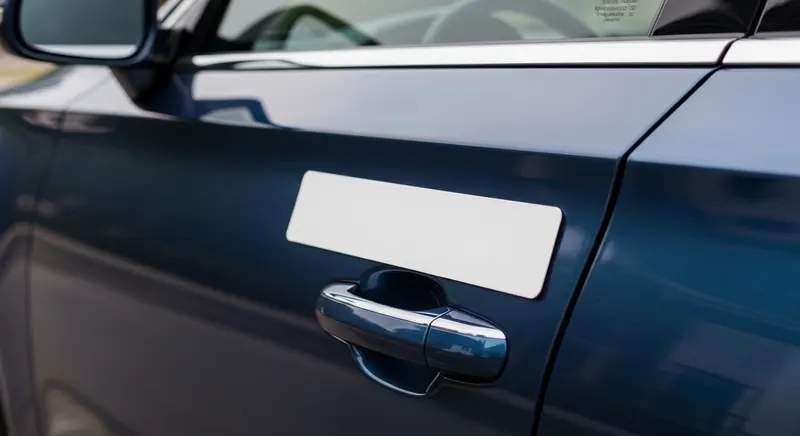
Every time a vehicle pulls out of a driveway, parks in a shopping centre, or sits in traffic on the M1, it becomes a moving billboard — and savvy Australian businesses and sports clubs are increasingly harnessing that opportunity with the humble car magnet. Whether you’re a tradie in Brisbane wanting a professional look without permanently committing to a vehicle wrap, a real estate agency in Perth rolling out a fleet branding update, or a local footy club on the Gold Coast selling fundraising merchandise, custom car magnets offer a surprisingly cost-effective and flexible solution for getting your name in front of the right people.
This guide covers everything you need to know about ordering, designing, and using car magnets effectively — from artwork requirements and sizing considerations through to typical costs, turnaround times, and practical usage tips.
What Is a Car Magnet and How Does It Work?
A car magnet (also called a magnetic car sign or vehicle magnet) is a flat, flexible magnetic sheet with a printed graphic on the face. The magnetic backing adheres firmly to any ferrous (iron-containing) metal surface — like the door panel or tailgate of most standard cars, utes, vans, and trucks — without any adhesive, glue, or permanent fixture.
Because they attach and detach easily, car magnets occupy a unique space in the promotional products world. They offer the visual impact of a vehicle decal or partial wrap but with none of the permanence. You can apply them before a site visit, a Saturday match, or a trade show, then remove them afterwards when you’re using the vehicle privately. That flexibility makes them especially popular with sole traders, small business owners, and sporting clubs who share vehicles or simply prefer to keep their personal and professional lives distinct.
Common Sizes and Formats
Car magnets are available in a wide range of sizes, though the most popular formats for Australian businesses include:
- 300mm x 600mm — A compact option suitable for utes, small vans, and car doors; good for displaying a logo, phone number, and website
- 400mm x 800mm — The most commonly ordered size; strikes the right balance between visibility and cost
- 600mm x 900mm — Ideal for tradies, delivery vehicles, and fleet applications where maximum visibility is the goal
- Oval and custom shapes — Circle magnets and custom-cut shapes are popular for sporting clubs and real estate use
If you’re unsure what size will suit your vehicle, request a scaled diagram from your supplier or print a paper mock-up at the correct dimensions before committing to your order.
Artwork Requirements for Car Magnets
Getting your artwork right is arguably the most important step in the entire ordering process. Because car magnets are printed at a relatively large format and viewed from a distance — often from moving traffic — the quality and legibility of your design is critical.
Why Vector Files Matter
Always supply your logo and branding elements as vector files. Vector artwork (typically .AI, .EPS, or .PDF formats) is resolution-independent, meaning it can be scaled to any size without pixelating or losing sharpness. If you’re unsure what this means for your project, our guide to understanding vector art files explains the difference in plain English and will help you communicate confidently with your supplier.
Raster images (JPEGs, PNGs, low-resolution files) often look acceptable on screen but produce blurry, unprofessional results when printed at 600mm or larger. Your supplier should flag this issue during the artwork review stage, but it’s always better to start with the correct files.
Design Tips for Maximum Readability
- Keep your message concise — the most effective car magnets display a business name, a single key message or trade, and contact details
- Use high-contrast colour combinations (dark text on a light background, or vice versa) so your message reads clearly at a glance
- Avoid fine serif fonts and intricate detail that gets lost at distance
- Leave a clear margin around the edge of the design to avoid any important elements being too close to the magnetic border
Before production begins, always request a digital proof. Our comparison of virtual proofs vs physical samples for promotional products is a useful resource if you’re deciding how thorough your pre-production checks need to be.
How Car Magnets Are Printed
Most Australian suppliers use digital UV printing for car magnets. UV-cured inks are bonded directly to the magnetic substrate under ultraviolet light, producing sharp, vibrant colours that are resistant to fading, moisture, and moderate outdoor conditions. UV printing supports full-colour designs, photo-realistic imagery, and CMYK or PMS-matched colours, making it suitable for everything from simple logo-and-phone-number designs through to complex multi-colour branding.
After printing, a UV-resistant gloss or matte laminate is typically applied over the face of the magnet. This laminate layer protects the print from scratches, rain, and UV degradation, significantly extending the usable life of the product.
What Surfaces Work Best?
Car magnets adhere best to flat, smooth, clean metal surfaces. Curved panels (like some bumpers and wheel arches), textured surfaces (like rough commercial vehicle bodies), and painted surfaces with significant texture can reduce magnetic holding strength. Fibreglass panels, plastic bumpers, and aluminium-bodied vehicles (some newer models and most camper vans) will not hold a magnet at all — worth checking before you order a large quantity.
Minimum Order Quantities, Pricing, and Turnaround
Car magnets are typically available with low minimum order quantities (MOQs), making them accessible for small businesses and clubs. Many Australian suppliers will produce as few as two to five pairs (sets of two matching door magnets) for small operators, with pricing per unit dropping noticeably as quantities increase.
As a rough guide for 2026 pricing:
- Small quantities (2–10 pairs): $40–$70 per pair for a standard 400mm x 800mm magnet with full-colour printing
- Medium quantities (11–50 pairs): $20–$40 per pair depending on size and finish
- Large fleet orders (50+ pairs): $12–$25 per pair, sometimes lower for very high volumes
Setup fees are generally minimal compared to other print processes, since digital UV printing doesn’t require physical screens or plates. However, artwork preparation fees may apply if your files need significant work before they’re print-ready.
Standard turnaround times for car magnets in Australia typically run five to ten business days once artwork is approved. Rush production (two to four business days) is available from many suppliers, though it usually carries a surcharge. If you’re ordering for a specific event, campaign, or season, always build in extra lead time — our article on winter promotional products in Sydney offers useful advice on planning seasonal campaigns well ahead of schedule.
Practical Tips for Using Car Magnets Effectively
Installation and Care
Before applying your car magnet, clean and dry both the magnetic face and the vehicle surface thoroughly. Dust, moisture, and road grime trapped under the magnet can scratch your vehicle’s paint and reduce holding strength over time.
To prolong the life of your magnets:
- Remove and store them flat when not in use (do not fold or roll them)
- Wash the vehicle and magnet separately — never drive through an automated car wash with magnets attached, as the brushes and high-pressure water can dislodge them at speed
- Re-apply the magnet to a slightly different position every few weeks to prevent any moisture buildup or paint adherence issues
Who Uses Car Magnets?
The versatility of car magnets makes them popular across a broad range of sectors:
Tradies and small businesses — Electricians, plumbers, landscapers, and cleaners across Melbourne and Adelaide commonly use car magnets as their primary vehicle signage. The ability to remove them at the weekend is a major drawcard.
Real estate agencies — Agents driving company-branded cars frequently use door magnets as part of their personal branding, pairing them with other promotional items from their broader marketing kit.
Sporting clubs — Local football, cricket, netball, and soccer clubs across regional Queensland, New South Wales, and Western Australia use car magnets as fundraising merchandise and club spirit items. Combined with wristbands for events and custom tote bags and backpacks, they make a strong club merchandise bundle.
Healthcare and community services — Mobile community health workers and outreach teams use magnets to identify their vehicles professionally without permanently marking fleet cars.
Events and expos — Conference organisers use branded car magnets as delegate gifts and sponsor activations, often paired with merchandise like promotional USB drives, work polo shirts, and branded umbrellas from wholesale suppliers.
Pairing Car Magnets With Your Broader Brand Campaign
A car magnet alone is a strong visibility tool, but it’s most effective when it’s part of a cohesive brand campaign. If you’re investing in vehicle signage, consider what other touchpoints your audience will encounter:
- Event signage: A car magnet driving attendees to your stand works well alongside a teardrop banner at the venue itself
- Branded apparel: Your team wearing matching work polo shirts or t-shirts with graphic prints reinforces the brand identity your vehicle signage establishes
- Employee gifts: For the festive season, car magnets can form part of a broader Christmas gift bundle for employees, particularly for staff who drive for work
- Eco-conscious organisations: If sustainability is central to your brand, explore how car magnets fit alongside your sustainable promotional products strategy — some suppliers now offer magnets on recycled or reduced-waste substrates
Conclusion: Key Takeaways for Ordering Car Magnets in Australia
Car magnets represent one of the most cost-effective, flexible, and high-visibility promotional tools available to Australian businesses and sporting clubs. With no permanent vehicle modifications required, low MOQs, fast production turnaround, and strong brand impact on the road, they punch well above their weight in the promotional products category.
Here are the key points to remember before placing your order:
- Supply vector artwork — always provide .AI, .EPS, or .PDF files to ensure sharp, professional print quality at large format
- Check your vehicle’s surface — confirm your panels are steel (magnetic-receptive) before ordering; fibreglass and aluminium surfaces won’t hold magnets
- Keep designs simple and legible — high-contrast colours, clear fonts, and a concise message will outperform a cluttered layout every time
- Care for your magnets properly — store them flat, clean both surfaces before applying, and never run them through an automated car wash
- Plan your lead time — build in five to ten business days minimum for standard production, plus shipping time to your location across Australia
Whether you’re a sole trader in Darwin looking to make your ute work harder, or a Melbourne marketing team rolling out a fifty-vehicle fleet update, a well-designed car magnet is one of the smartest investments you can make in on-road brand visibility.